
Máquinas para carpintería industrial: catálogo completo KDT
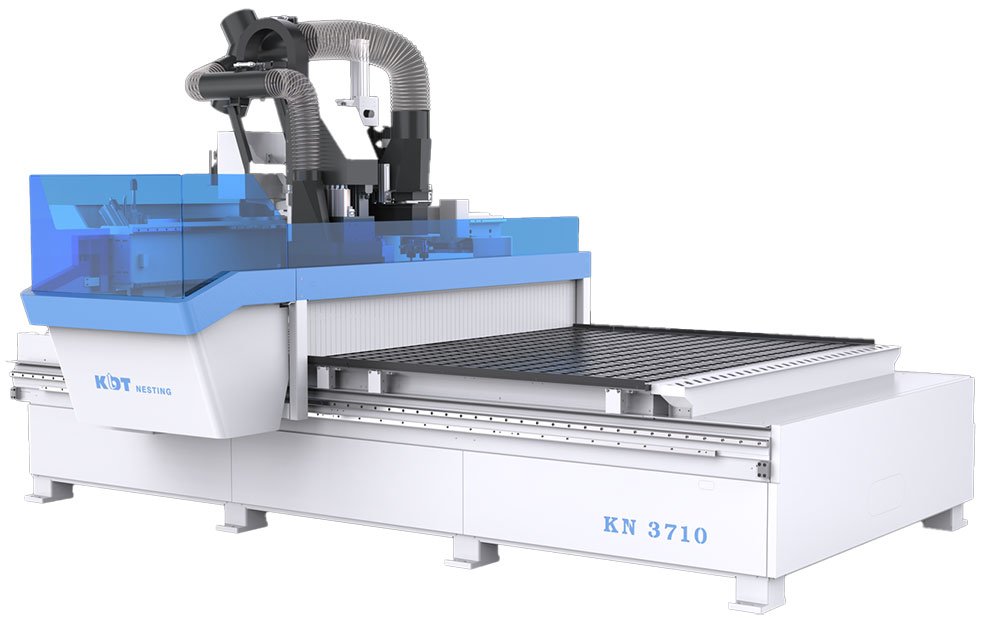
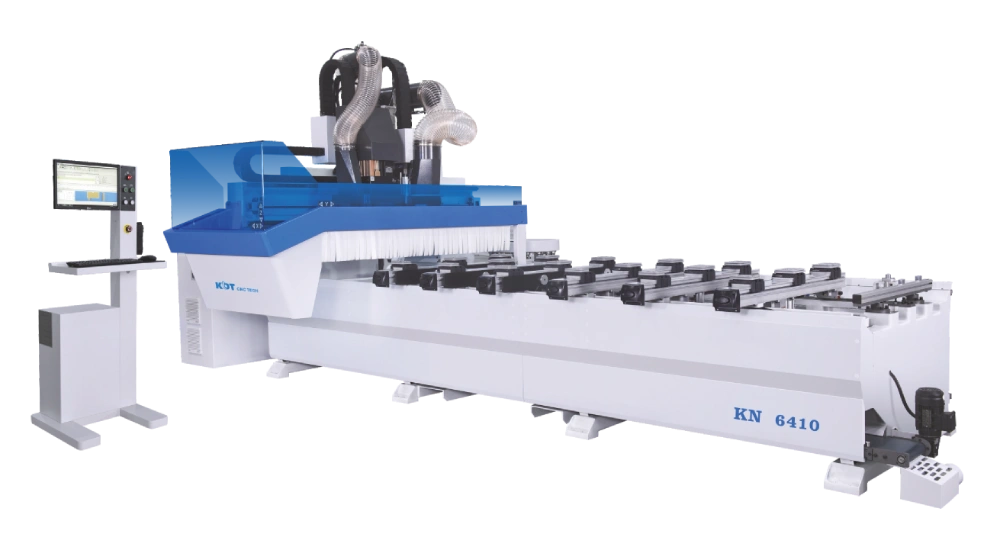
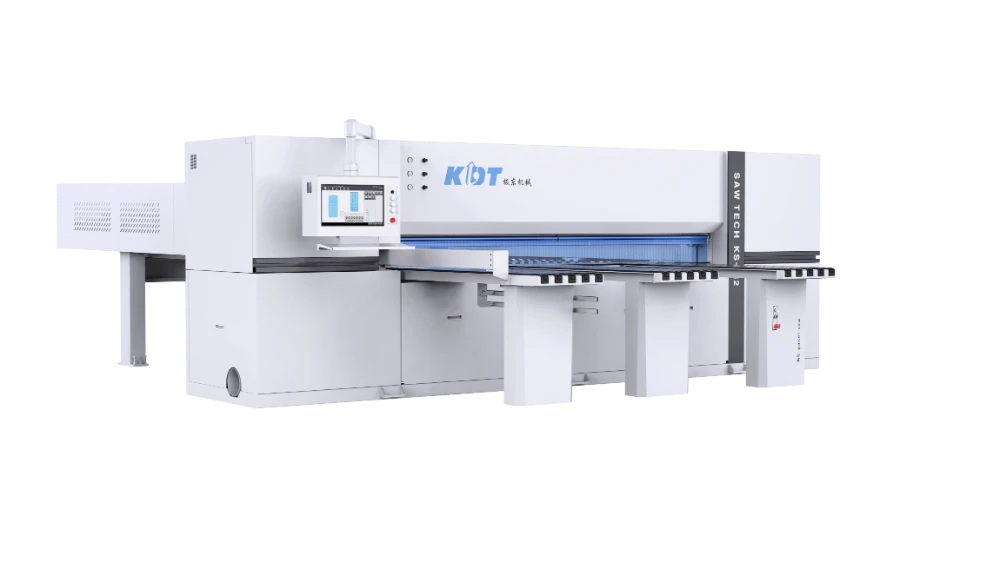

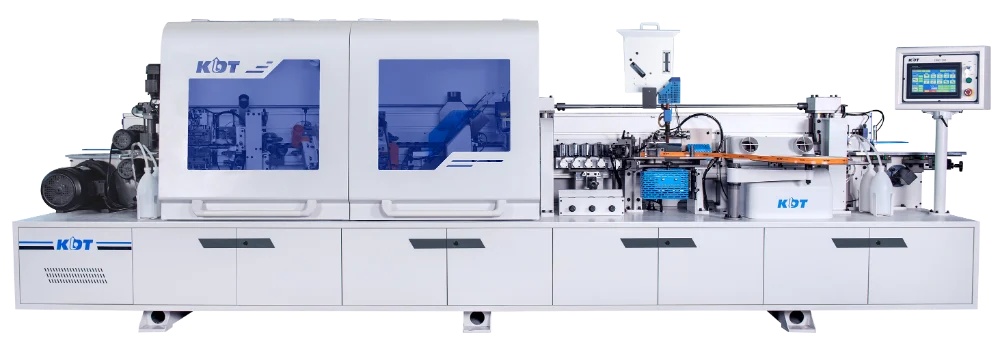
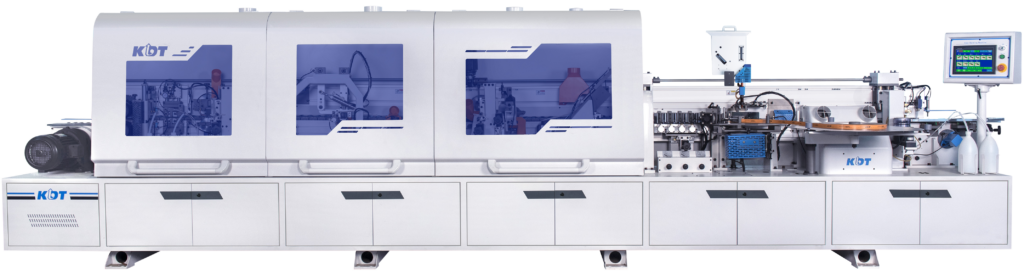
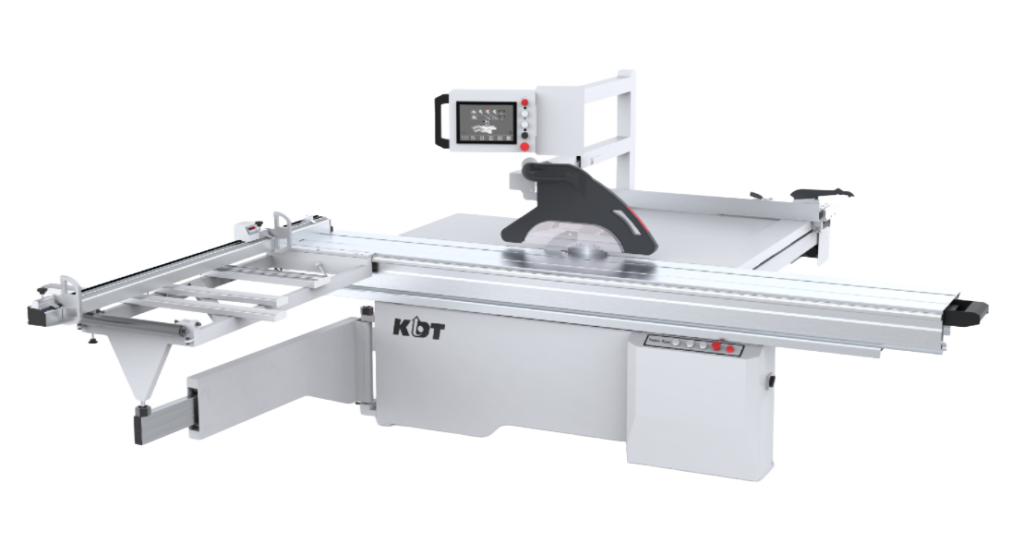
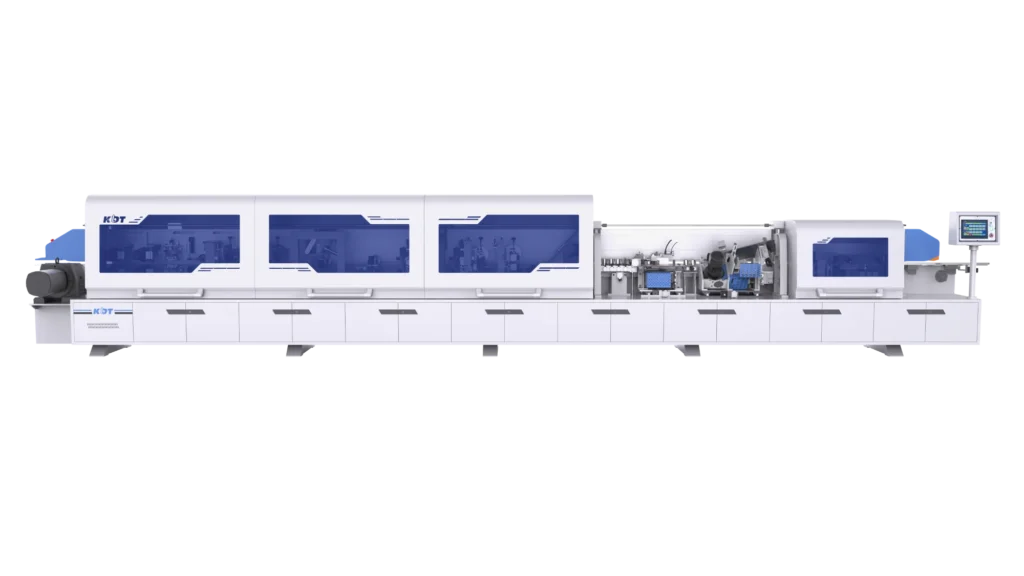
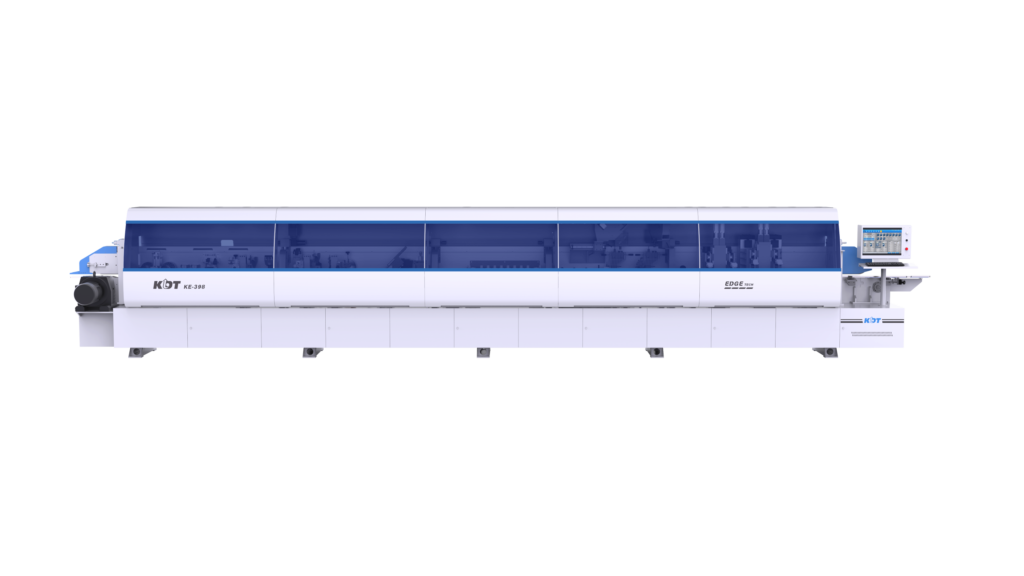
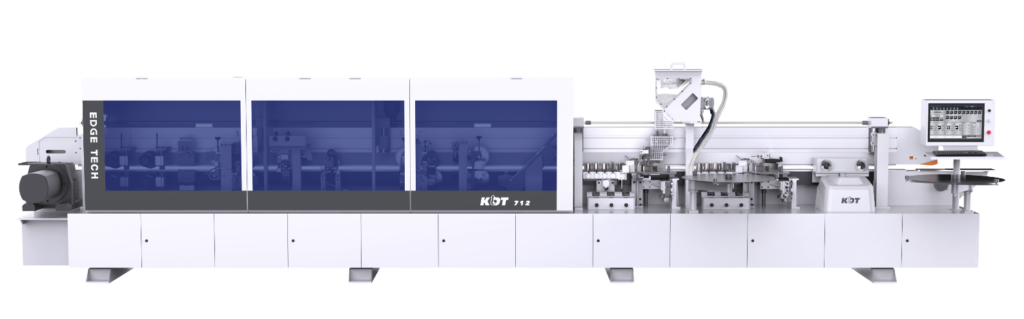
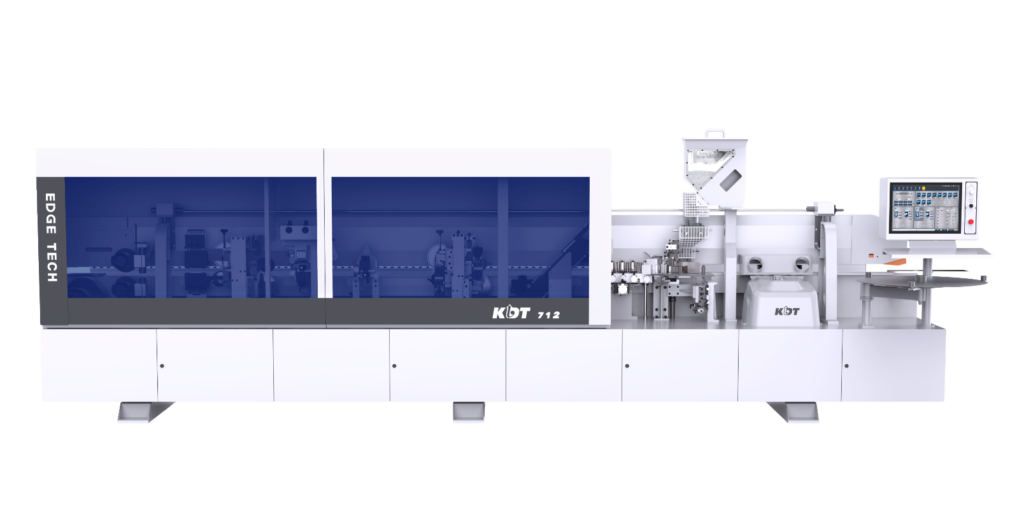
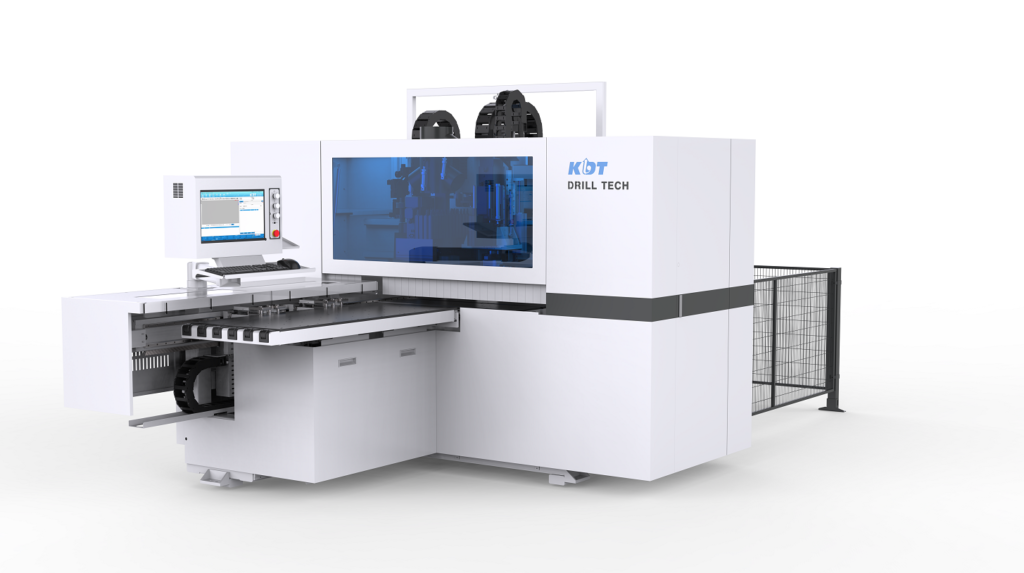
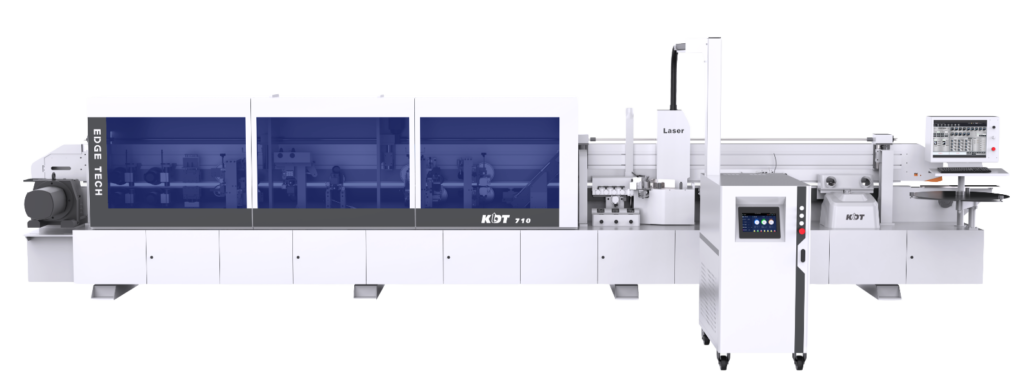
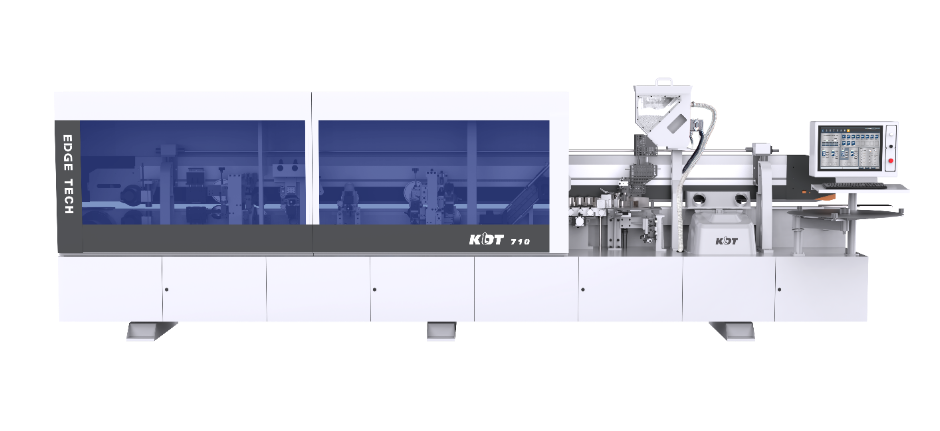
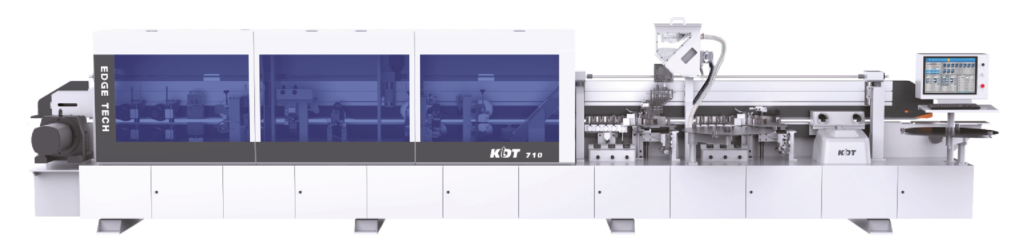
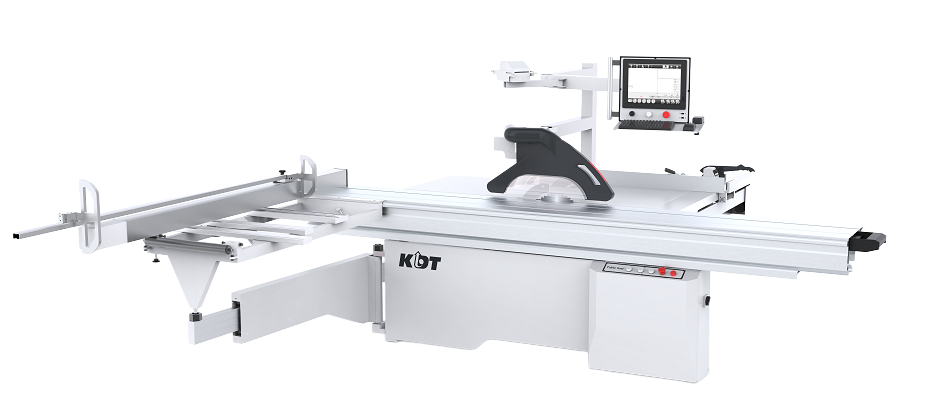
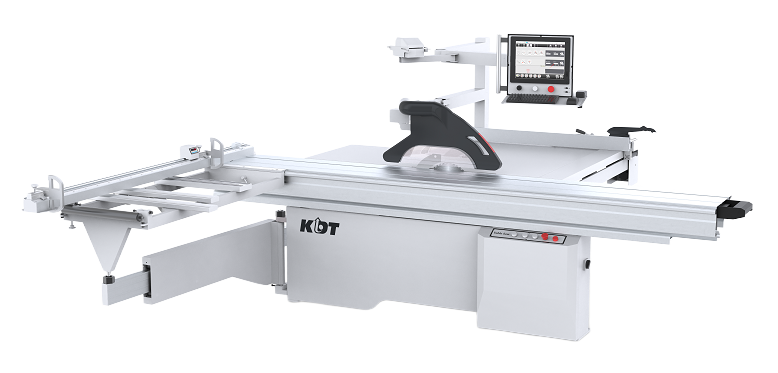


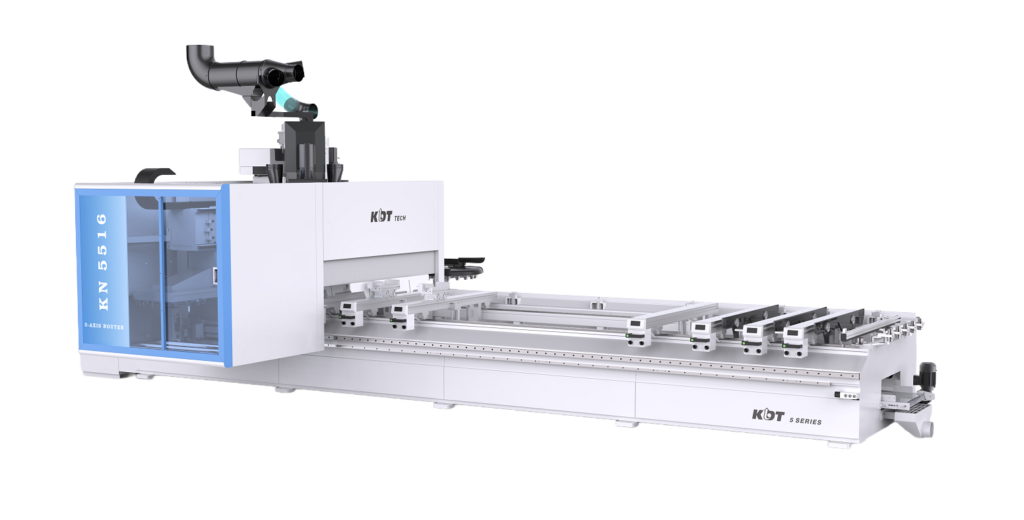
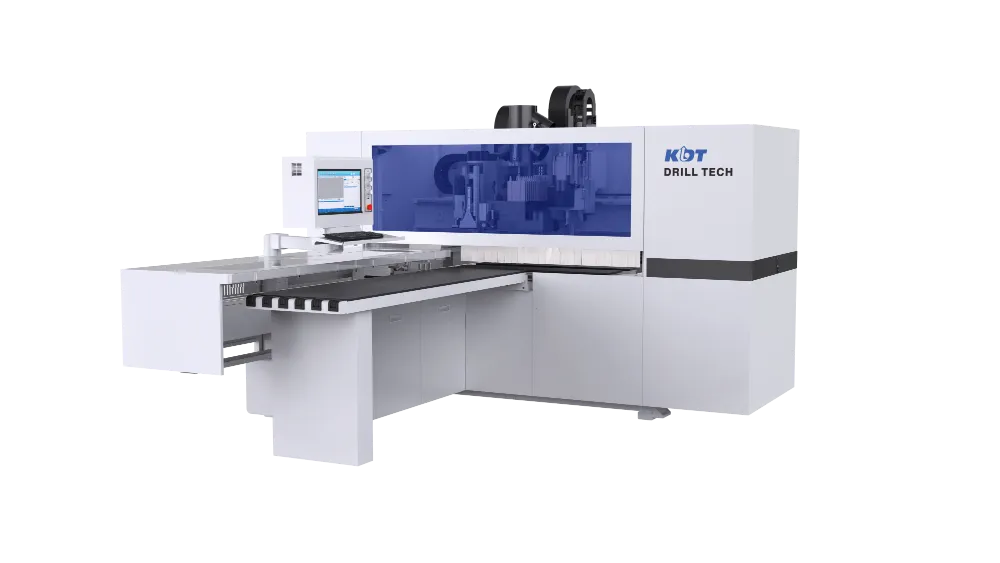
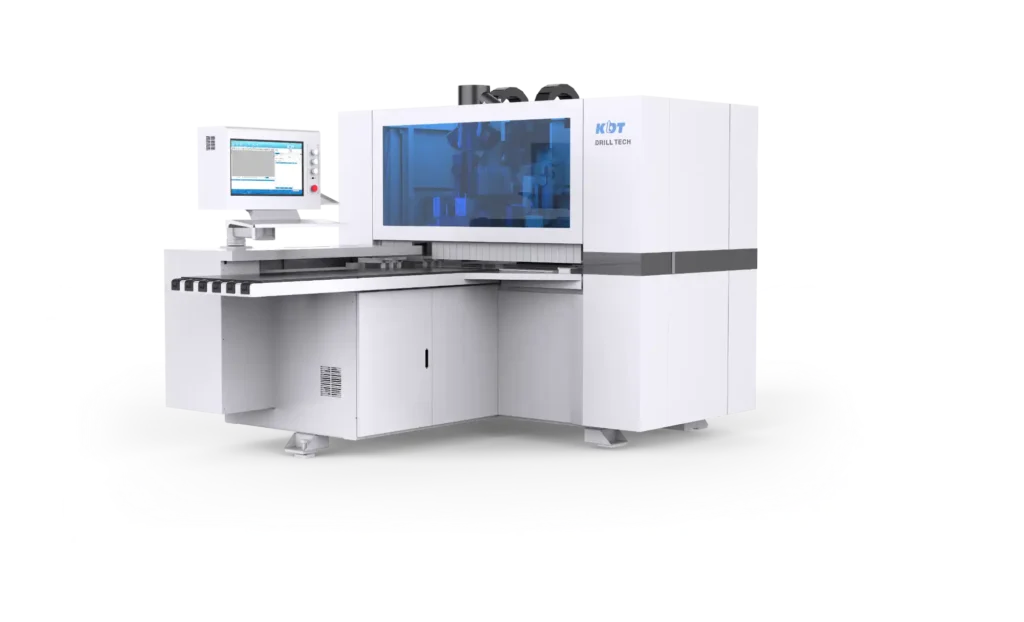

En KDT Ibérica ponemos a tu disposición un catálogo completo de máquinas para carpintería industrial, pensado para empresas medianas y grandes que necesitan rendimiento continuo, precisión y un respaldo técnico real.
No solo vendemos maquinaria: te ayudamos a configurar la solución que mejor encaja con tu línea de producción, con la posibilidad de ver cada equipo en funcionamiento en nuestros showrooms antes de tomar ninguna decisión.
¿Qué máquinas necesita un taller o fábrica de carpintería?
Configurar un taller productivo no es cuestión de acumular herramientas, sino de entender qué procesos van a tener más carga de trabajo y qué equipos los resuelven con mayor eficiencia. En la industria de la madera, el flujo de transformación pasa por tres fases bien diferenciadas: corte y dimensionado, mecanizado y moldeado, y acabado superficial.
Cada una de ellas requiere maquinaria específica y, en entornos de producción intensiva, la elección del equipo adecuado puede suponer diferencias importantes en coste por pieza y en tiempo de ciclo.
Lo que distingue a una fábrica de muebles de un taller artesanal no es tanto el tipo de máquinas que usa como la capacidad de cada equipo para trabajar de forma sostenida, con tolerancias estrechas y sin paradas no planificadas.
Por eso, cuando hablamos de maquinaria para madera en contextos industriales, los criterios de selección van más allá del precio inicial: la robustez de los componentes, la facilidad de integración en una línea y el soporte postventa pesan tanto o más que las prestaciones en catálogo.
A continuación repasamos las categorías principales que componen un parque de maquinaria para carpintería completo, con criterios prácticos para ayudarte a decidir qué necesitas en cada caso.

Cutting machines
Designed for dividing, sizing and initial shaping of raw material.
- Table saw: makes straight and precise cuts in panels and strips. Essential for mass production.
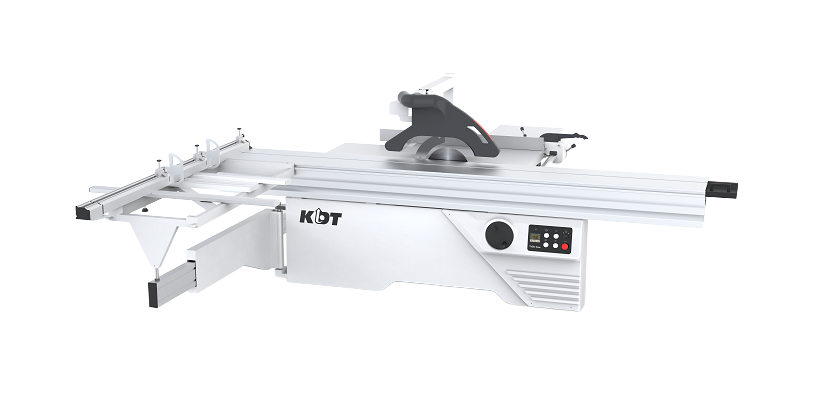
- Sliding table sawallows for square and angled cuts, ideal for large format boards.
- Band sawVersatile for curved, irregular cuts and thick workpieces.
- Mitre sawfor fast cut-to-length cutting of slats, beams and profiles.
Escuadradoras de madera: precisión en el corte de tablero
The escuadradora de madera industrial es el corazón del proceso de dimensionado en cualquier planta de fabricación de muebles o carpintería de obra.
Su función principal es cortar tableros de gran formato con ángulos perfectamente perpendiculares y repetibles, lo que resulta imprescindible cuando se trabaja con series largas.
La escuadradora no es solo una sierra: es la máquina que define la precisión de todo lo que viene después. Un corte mal escuadrado se arrastra a lo largo de toda la línea de
producción, generando retrabajos y mermas innecesarias.
Por eso, al elegir una escuadradora, conviene evaluar la longitud de corte, la capacidad de tronzado, la rigidez del carro portapiezas y la calidad de los topes programables.
En el catálogo KDT encontrarás escuadradoras de la serie KS adaptadas a diferentes volúmenes de producción, desde la KS-132 para talleres con demanda media hasta soluciones más avanzadas para líneas de producción continua. Todas están disponibles para consulta en nuestros showrooms, donde puedes comprobar la calidad de corte sobre el material real antes de invertir.
Cepilladoras industriales: preparación y calibrado de la madera
La cepilladora es una de las máquinas más básicas y más importantes del proceso. Su trabajo consiste en eliminar irregularidades superficiales de la madera en bruto, dejando caras planas y aristas rectas listas para el ensamblaje o el acabado.
En producción industrial se distinguen dos equipos complementarios:
- Cepilladora de madera (o cepilladora de cara): trabaja una superficie de la pieza y corrige curvaturas, alabeos o nudos salientes. Es el primer paso antes de calibrar el grosor.
- Thicknesser (o cepilladora industrial de grosor): una vez que una cara está plana, la regruesadora establece el espesor final de la tabla con una tolerancia constante en toda la serie.
La combinación de cepilladora y regruesadora define la calidad dimensional de la madera maciza que va a ensamblarse o recibir acabados.
En entornos donde se trabaja madera de tronco o piezas escuadradas en bruto, prescindir de alguna de las dos equivale a asumir variaciones que después se pagan en tiempo de ajuste o en piezas rechazadas.
Al elegir una cepilladora industrial, los parámetros clave son el ancho de trabajo, la velocidad de avance regulable y la posibilidad de cambiar cuchillas sin detener la producción más de lo estrictamente necesario.
Lijadoras de banda para madera: acabados de alta producción
The lijadoras industriales para madera son el último paso antes del acabado final y, en muchas plantas, el cuello de botella que más impacta en la productividad si el equipo no está bien dimensionado.
The lijadora de banda para madera trabaja con una banda abrasiva continua que permite lijar superficies planas de forma rápida y homogénea.
En producción de muebles o tablero, la lijadora calibradora con banda de lija es la referencia para conseguir espesores exactos y acabados sin marcas que puedan afectar al aspecto del barniz o la pintura posterior.
Dentro del catálogo KDT encontrarás también lijadoras de cepillos para superficies perfiladas, edge sanders y moulding sanders para perfiles complejos. La clave al elegir una lijadora para madera está en tres factores:
- Ancho de trabajo útil, que determina el tamaño máximo de pieza que puede procesarse en un solo paso.
- Regulación de presión y velocidad, necesaria para adaptar el equipo a diferentes materiales y acabados.
- Sistema de aspiración integrado, que en producción continua no es un accesorio sino parte del rendimiento del equipo.
Si tu proceso incluye tablero MDF, aglomerado o madera de chapa, la lijadora calibradora con doble banda ofrece la mejor relación entre velocidad y calidad de acabado.
Tupí para madera y fresadoras: molduras y perfiles con precisión
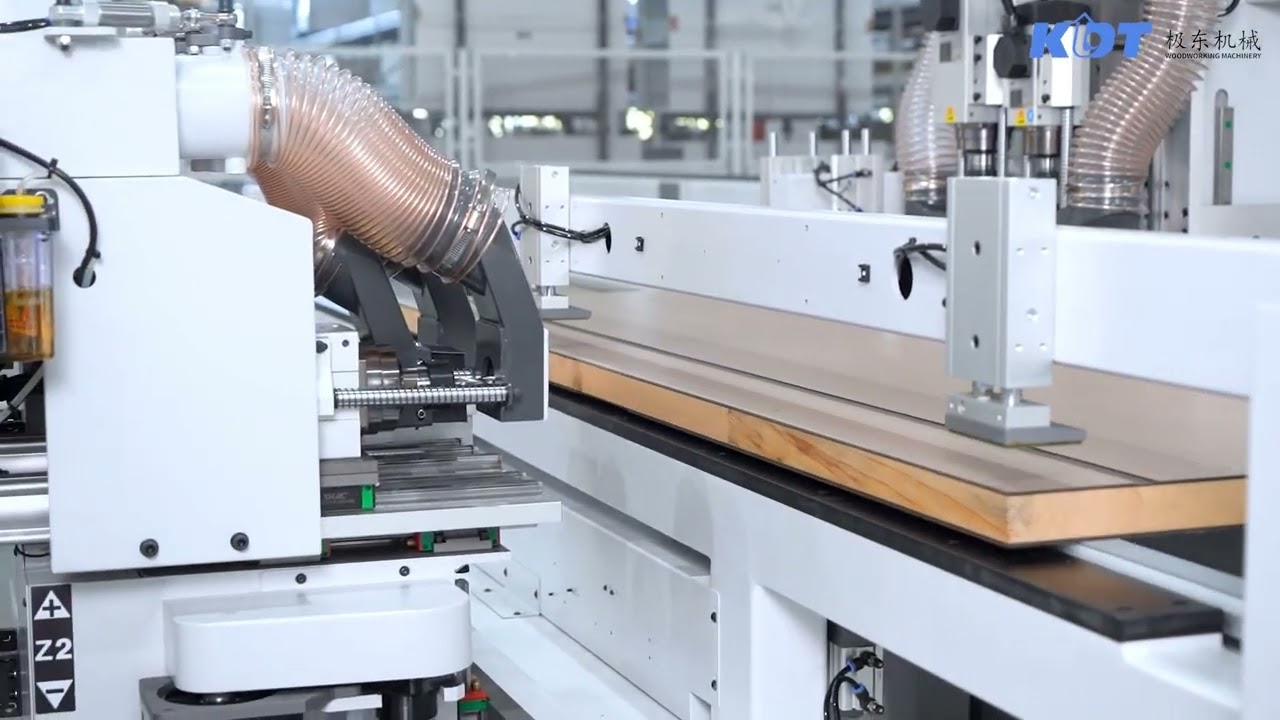
The maquina tupí es, junto con la escuadradora, la máquina más versátil de un taller de carpintería. Su principio es simple: una herramienta rotatoria (fresa o portacuchillas) trabaja el canto o la cara de la pieza para generar perfiles, ranuras, rebajes o molduras.
El tupí para madera es imprescindible en la fabricación de marcos de puerta, ventanas, zócalos, molduras decorativas y cualquier pieza que requiera un perfil longitudinal constante. La calidad del resultado depende de la velocidad de giro del husillo, la rigidez de la mesa de trabajo y la precisión del guiado lateral.
En entornos industriales, el tupí fijo de husillo se complementa con fresadoras CNC que permiten automatizar perfiles complejos y reproducirlos con tolerancias milimétricas en series largas.
La diferencia práctica entre un tupí manual y una fresadora CNC no está solo en la velocidad: está en la capacidad de reproducir exactamente el mismo perfil en la pieza número mil que en la primera, sin depender del ajuste del operario.
Si tu producción incluye puertas, ventanas o cualquier tipo de molduraje en serie, el tupí es una máquina que no puede faltar en tu parque de equipos.
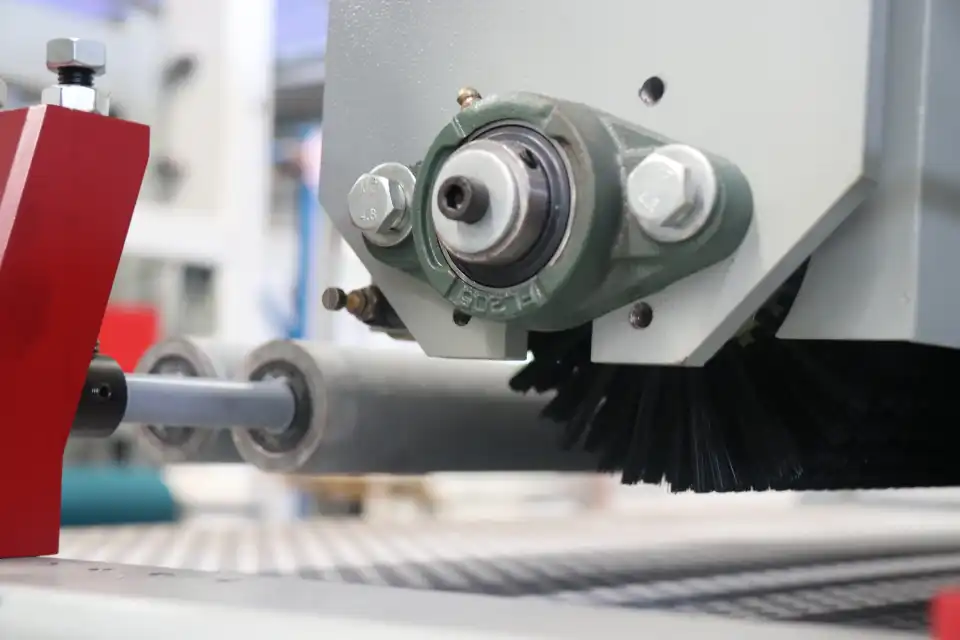
Machining and moulding machines
They work the wood to obtain specific profiles, grooves and shapes.
- Spindle moulder or table routercreates mouldings, recesses and recesses with high precision.
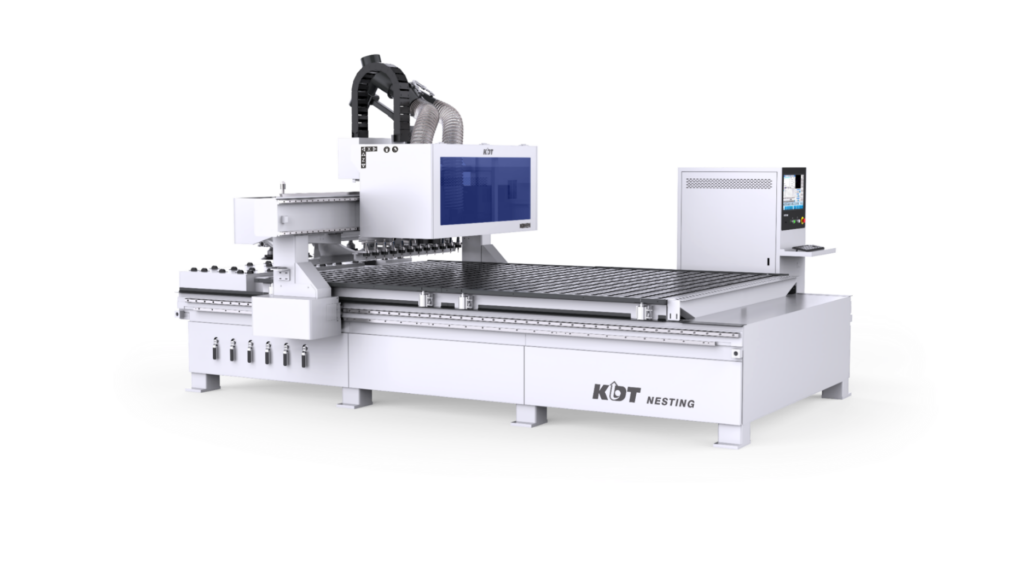
- CNC milling machine for woodAutomates complex cuts and engravings with millimetre accuracy.
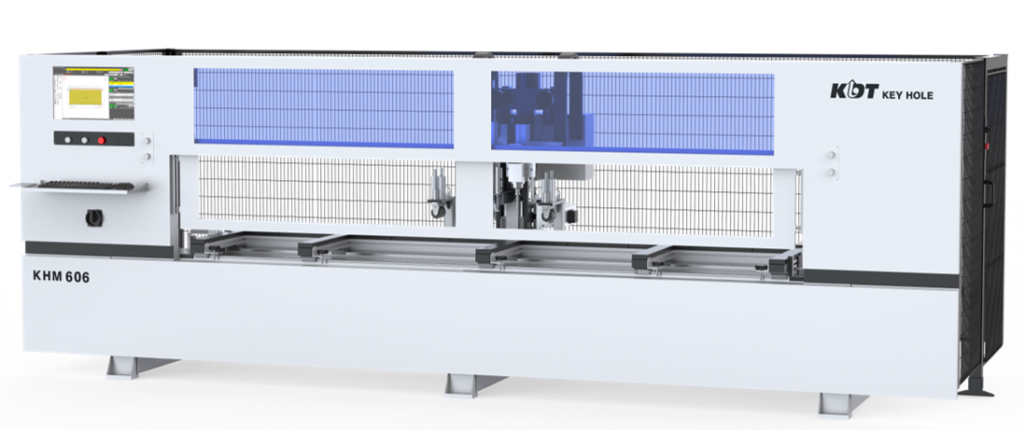
- Multi-drill: drills several positions at the same time, ideal for modular furniture.
Brushing and surface finishing machines
They achieve flat, uniform surfaces ready for final finishing.
- Planerremoves irregularities and prepares the wood for assembly.
- Thicknesser: adjusts the thickness of the boards exactly.
- Belt sander: offers continuous and fast sanding on large surfaces.
- Calibrating sander: used in industrial production for homogeneous finishes.
Assembly and joining machines
Optimizan el montaje de piezas y garantizan uniones resistentes.
- Hydraulic press: clamps and glues workpieces with uniform pressure.
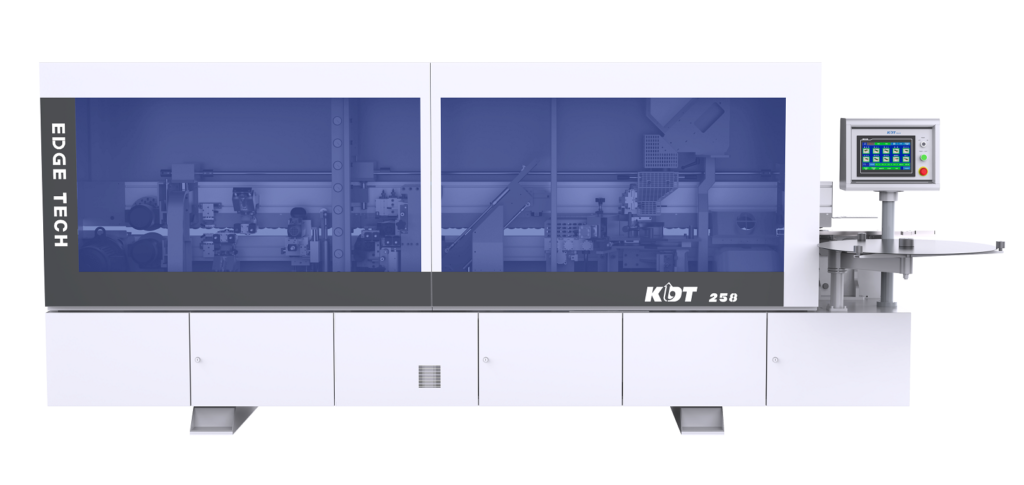
- Edge banding machine: applies and fixes edges on boards quickly and cleanly.
Otras máquinas de carpintería esenciales en tu taller
Más allá de los equipos de corte y acabado, una línea de producción completa incorpora maquinaria especializada que resuelve procesos concretos con mucha mayor eficiencia que las soluciones manuales.
- Encoladoras de cantos KDT: aplican canto de PVC, ABS o chapa en tableros mecanizados. En fabricación de muebles, la encoladora de cantos es tan importante como la propia escuadradora. Las versiones con tecnología láser o air-jet eliminan la línea de cola visible y reducen el tiempo de preparación entre series.
- Multiple boreholes: permiten realizar en un solo ciclo todas las perforaciones necesarias para herrajes y uniones en tableros de mueble. El ahorro de tiempo respecto al taladro manual es muy significativo en producciones medianas y grandes.
- Disconnectors: para el corte optimizado de tableros apilados, con gestión de planos de corte que minimiza el desperdicio de material. Muy habituales en almacenes de distribución y plantas de corte a medida.
- Centros CNC de mecanizado: integran en una sola máquina el fresado, taladrado y ranurado con control numérico. Son la base de las líneas de producción flexible y permiten fabricar piezas complejas sin recambio de utillaje manual.
La configuración ideal de un parque de maquinaria para madera depende del tipo de producto fabricado, el volumen de producción y el nivel de automatización buscado. En KDT analizamos contigo cada caso antes de proponer ninguna solución.
Key factors in choosing a woodworking machine
Seleccionar las máquinas para carpintería adecuadas no es solo una cuestión de precio; es una decisión que impacta directamente en la productividad, la calidad del producto final y la rentabilidad del taller. Estos son los criterios más relevantes a evaluar:
- Type of production: la producción industrial requiere maquinaria robusta, de alta capacidad y diseñada para uso continuo.
- Capacity and power: la potencia del motor y la capacidad de corte o mecanizado determinan la eficiencia. Una máquina subdimensionada ralentizará la producción y aumentará el desgaste.
- Precision and stability: los acabados de alta calidad exigen mesas estables, guías ajustables y sistemas de calibración finos. En máquinas CNC, la tolerancia en micras es un factor crítico.
- Security: en entornos profesionales, la seguridad no es opcional: sistemas de paro de emergencia, protectores transparentes y ajustables, tecnología anti-rebote y control de retroceso y sensores de proximidad en modelos de última generación.
- Ergonomics and ease of use: los operarios trabajan muchas horas con estas máquinas, por lo que el diseño debe minimizar la fatiga y permitir ajustes rápidos.
- Maintenance and spare parts availability: optar por marcas con soporte técnico local y disponibilidad inmediata de piezas evita paradas prolongadas que afectan la producción.
- Energy consumption: en producción continua, el consumo eléctrico tiene un impacto directo en los costes operativos. Las máquinas con motores de alta eficiencia energética son una inversión a largo plazo.
- Integración en el flujo de trabajo: considera cómo la máquina se adaptará a la disposición del taller, el flujo de materiales y la compatibilidad con otras herramientas o líneas de producción.
Maquinaria industrial frente a maquinaria profesional: cuándo marca la diferencia
No toda la maquinaria para carpintería es igual, aunque las prestaciones básicas parezcan similares en catálogo.
La diferencia entre un equipo de gama profesional y uno industrial se hace visible en tres situaciones concretas: cuando la producción es continua (más de un turno diario), cuando las tolerancias exigidas son estrechas (menos de 0,1 mm), y cuando una parada de máquina tiene coste directo en la entrega.
Maquinaria profesional
- Indicada para talleres con producción intermitente
- Menor coste de adquisición inicial
- Buena precisión para series cortas o medias
- Mantenimiento más sencillo y económico
- Menor disponibilidad de automatismos y accesorios
Maquinaria industrial
- Diseñada para uso continuo en uno o varios turnos
- Mayor robustez estructural y vida útil más larga
- Tolerancias estrechas mantenidas en series largas
- Integrable con líneas automáticas y sistemas CNC
- Soporte técnico especializado y repuestos garantizados
En KDT te ayudamos a identificar en qué punto de este espectro se encuentra tu producción real, para que la inversión sea proporcionada y no excesiva.
Tips for optimising your woodworking machines
Un buen equipamiento es solo el primer paso; su rendimiento y vida útil dependen de una gestión adecuada. Implementar prácticas de optimización en el uso y mantenimiento de la maquinaria de carpintería garantiza resultados consistentes, reduce costes y evita paradas innecesarias.
- Programa de mantenimiento preventivo
Realiza revisiones periódicas siguiendo las indicaciones del fabricante. Sustituye cuchillas, sierras y fresas antes de que pierdan filo para mantener la precisión y evitar sobrecarga del motor. Limpia el polvo y la resina acumulada para prevenir sobrecalentamientos.
- Afilado y calibración
Mantén las herramientas de corte afiladas con servicios especializados o sistemas internos de afilado. Verifica la alineación de guías, mesas y topes para asegurar cortes rectos y exactos.
- Capacitación del personal
Asegúrate de que los operarios conozcan el funcionamiento, limitaciones y medidas de seguridad de cada máquina. Capacita en el uso eficiente de materiales para reducir desperdicio.
- Lubricación y control de desgaste
Aplica lubricantes recomendados en puntos de fricción para evitar desgaste prematuro. Controla rodamientos, correas y engranajes, sustituyendo piezas antes de fallos críticos.
- Gestión del polvo y virutas
Instala sistemas de aspiración industrial para proteger la salud de los trabajadores y alargar la vida útil de la maquinaria. Limpia filtros y depósitos de forma regular para mantener la potencia de aspiración.
- Optimización del flujo de trabajo
Ubica cada máquina siguiendo la secuencia de producción para minimizar desplazamientos innecesarios. Combina maquinaria fija y portátil para aumentar la flexibilidad operativa.
- Control de consumos
Monitorea el consumo eléctrico de cada máquina para detectar ineficiencias. Evalúa la sustitución de equipos antiguos por modelos de menor consumo energético y mayor rendimiento.
Por qué elegir KDT Ibérica para tu maquinaria de carpintería
Hay muchos proveedores de maquinaria para madera, pero pocos pueden ofrecerte lo que KDT Ibérica tiene sobre la mesa como diferencial real.
Showrooms operativos en España, Portugal y Marruecos: Antes de comprometerte con ningún equipo, puedes ver cómo trabaja sobre el material real en nuestras instalaciones. No hablamos de demos con condiciones ideales: trabajamos con los mismos parámetros que encontrarías en tu línea de producción. Esto elimina la incertidumbre que suele acompañar a una compra de maquinaria industrial.
Adaptación a tu proceso, no al revés: Analizamos tu flujo de producción, el tipo de piezas que fabricas, el volumen y los acabados que necesitas antes de proponer ninguna máquina. El objetivo no es vender el equipo más caro sino el que mejor resuelve tu caso concreto.
SAT especializado con presencia local: Un equipo parado en producción tiene un coste directo. Nuestro servicio técnico posventa está estructurado para minimizar los tiempos de respuesta y garantizar la disponibilidad de repuestos de los equipos KDT. No dependes de tiempos de importación ni de intermediarios.
Formación incluida en la puesta en marcha: Cuando un equipo llega a tu planta, nuestro equipo técnico se asegura de que los operarios que van a trabajar con él lo hagan desde el primer día con seguridad y eficiencia. La curva de aprendizaje se acorta y los primeros resultados son representativos del rendimiento real del equipo.
Si buscas maquinaria de carpintería con respaldo real, KDT Ibérica es el socio que tu producción necesita. Solicita presupuesto o consulta el catálogo completo y encuentra el equipo que encaja con tu taller.
Servicios, apoyo técnico y acompañamiento profesional
En KDT Portugal no somos solo proveedores de máquinas. Nuestra empresa acompaña a los clientes en todo el proceso, desde la elección del equipo hasta su integración en la línea de producción.
Ofrecemos servicios de apoyo técnico, formación y asistencia, garantizando que las máquinas de carpintería funcionen de manera eficiente y segura. Este acompañamiento es esencial para las empresas que buscan maximizar la inversión y asegurar un rendimiento continuo de los equipos.
Nuestro compromiso con los clientes se basa en la cercanía, el conocimiento técnico y la capacidad de responder a las necesidades reales de cada proyecto.
Carpintería en Portugal: soluciones para el mercado actual
El mercado de la carpintería en Portugal sigue creciendo, impulsado por la demanda de muebles personalizados, proyectos de diseño y producción industrial de calidad.
Las empresas del sector necesitan soluciones fiables que les permitan crear productos competitivos y adaptados a las exigencias del mercado.
Las máquinas para carpintería de KDT Portugal han sido desarrolladas para responder a estas necesidades, ofreciendo soluciones industriales pensadas para la producción profesional, ya sea en pequeños talleres o en grandes empresas.
Nuestra presencia en el mercado portugués refleja el compromiso de proporcionar tecnología, calidad y soporte continuo a los profesionales de la carpintería.
Elegir KDT para tu carpintería profesional
Elegir KDT significa apostar por una empresa especialista en soluciones para carpintería industrial. Trabajamos con máquinas de carpintería diseñadas para generar un valor real en la producción, mejorar los procesos y garantizar calidad en cada proyecto.
Ya sea para fabricar muebles, puertas o piezas a medida, nuestras soluciones se adaptan a tus necesidades y a su espacio de trabajo. KDT Portugal pone a disposición de sus clientes tecnología avanzada, servicios especializados y un enfoque orientado a resultados.
Si busca carpintería con soluciones industriales, máquinas profesionales y apoyo técnico dedicado, KDT es el socio ideal para su proyecto en madera.
Frequently asked questions about woodworking machines
What woodworking machinery is essential in a professional workshop?
The basics include table saw, planer, thickness planer, shaper, belt sander and drill press. Depending on the type of production, CNC routers, presses and edgebanders can be added.
What is the best woodworking machine for cutting solid wood?
The band saw is ideal for cutting thick solid wood, while the table saw offers greater precision for straight and repetitive cuts.
What is the difference between a planer and a thicknesser?
The planer smoothes the surface of the wood and corrects irregularities, while the thicknesser adjusts the thickness of the boards evenly.
How to keep woodworking machines in good condition?
Daily cleaning, regular sharpening of blades and discs, lubrication of moving parts, and periodic checking of alignments and safety systems are recommended.
Is it worth investing in CNC woodworking machinery?
Yes, in industrial production or high-precision work, CNC machinery improves speed, reduces errors and allows complex designs with millimetre tolerances.
¿Cuál es la diferencia entre una escuadradora y una seccionadora?
Aunque ambas cortan tableros, la escuadradora está optimizada para cortes a escuadra con alta precisión en piezas individuales o series cortas, mientras que la seccionadora trabaja con paquetes de tableros apilados y está orientada a la optimización del corte en volumen. En plantas con alta rotación de tablero, ambos equipos pueden coexistir con funciones complementarias.
¿Qué soporte técnico ofrece KDT tras la compra?
KDT Ibérica dispone de un SAT especializado con técnicos propios y disponibilidad de repuestos en España, Portugal y Marruecos. El servicio incluye puesta en marcha, formación de operarios y asistencia técnica presencial o remota según el tipo de incidencia.
 Spanish
 Portuguese
 French
 English