Drilling machine operators

What are automation systems for boring machines?
Automation systems for boring machines are systems designed to automatically control the drilling process in industrial environments.
These systems integrate mechanical, electrical and electronic components so that the boring machine operates with minimal human intervention, ensuring greater precision, safety and efficiency in repetitive tasks.
They are particularly suitable for production lines, machining workshops and processes where work volume and the need for standardisation are high.
Advantages of using automation systems on boring machines
The automation of industrial boring machines offers multiple benefits:
- Increased productivity: it enables continuous drilling without the need for constant operator intervention.
- Repetitive precision: ensures consistent results in long production runs.
- Reduction of errors and rejects: by minimising manual intervention, human errors are reduced.
- Optimisation of working time: whilst the automation system performs one task, the operator can supervise others.
- Greater safety: by automating hazardous or repetitive processes, the risk of accidents is reduced.
Most common types of automation systems for boring machines
Depending on the application and working environment, different types of automation systems can be found:
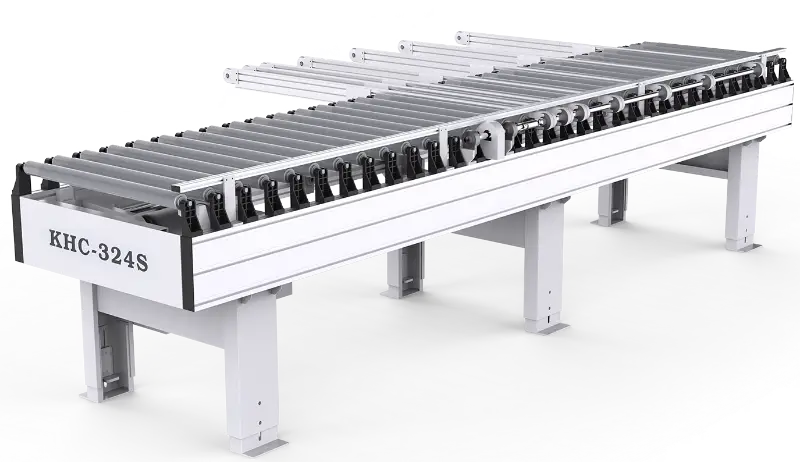
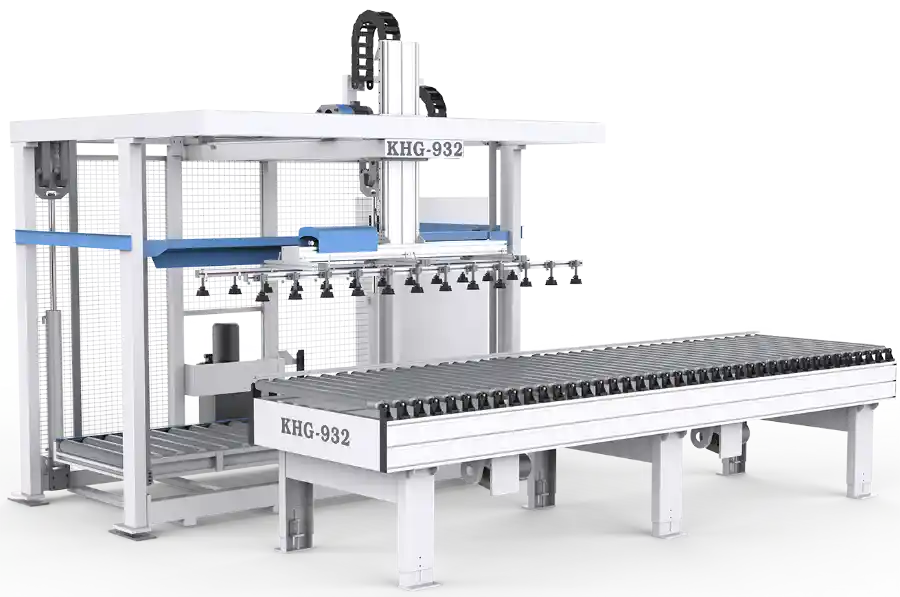
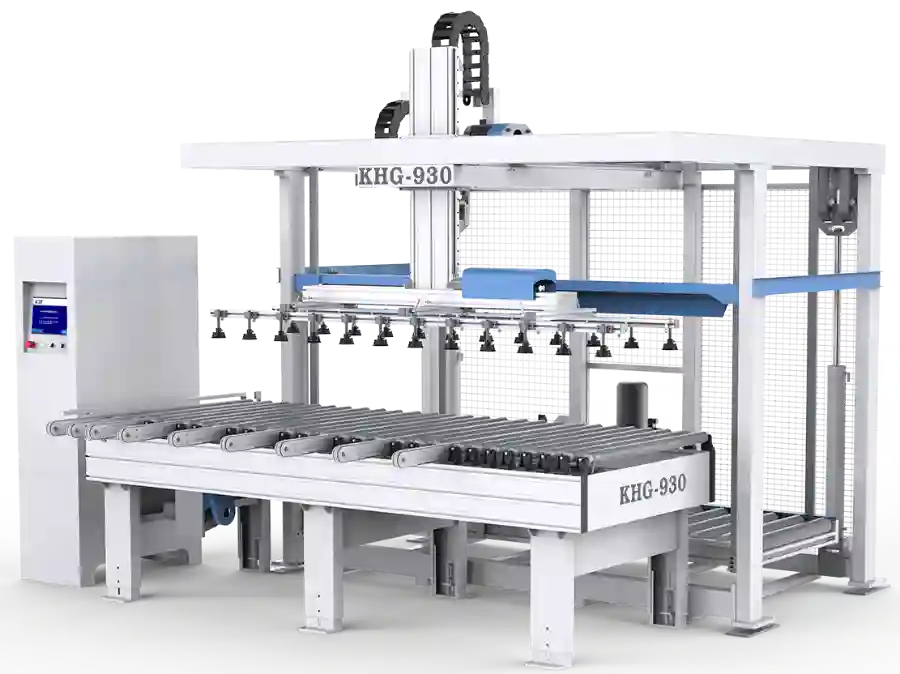
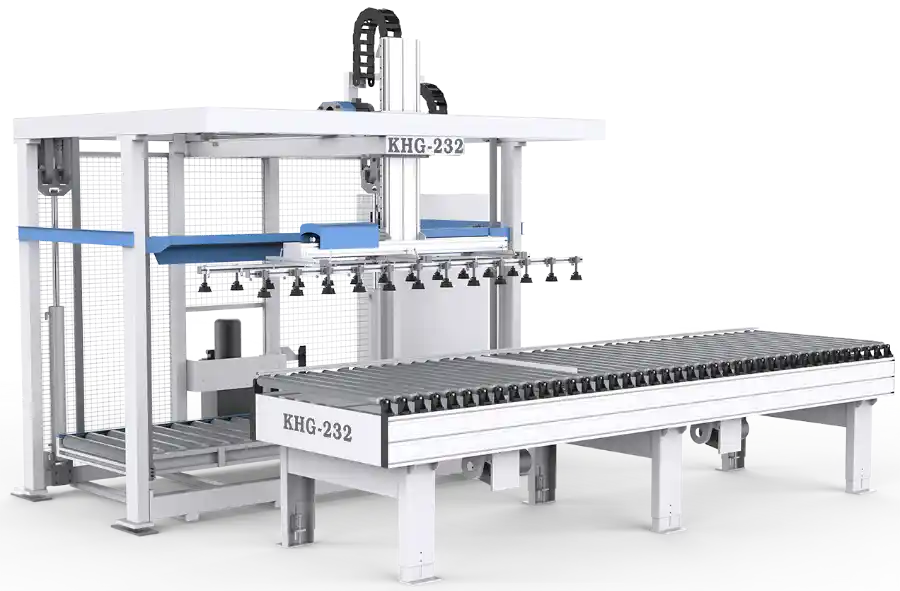
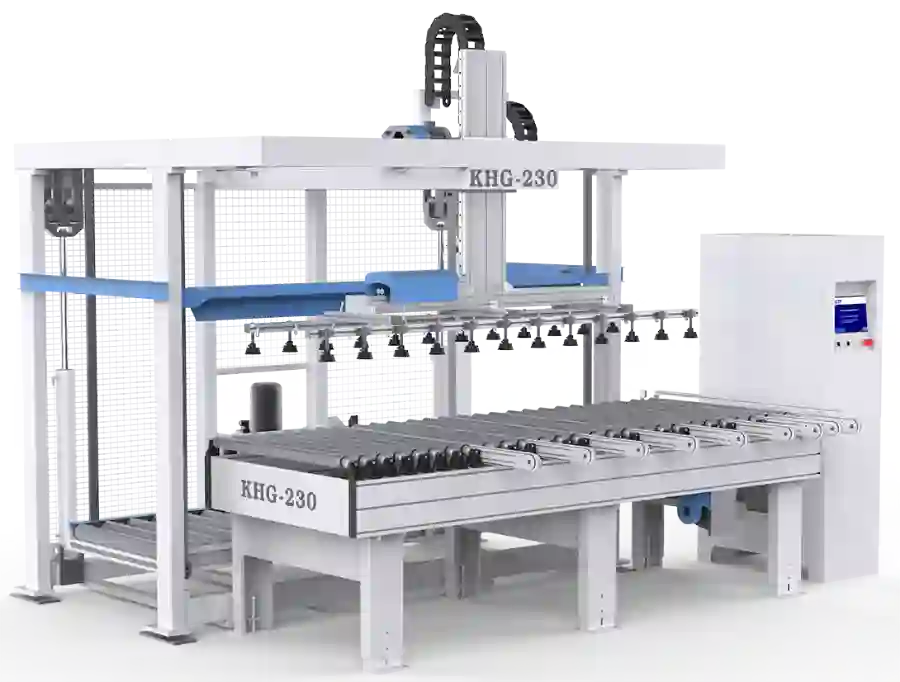
1. Automatic feeding
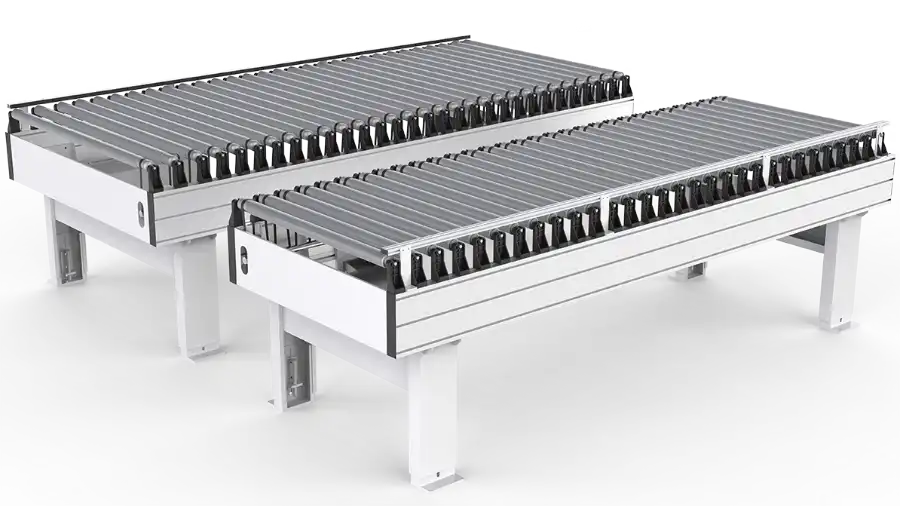
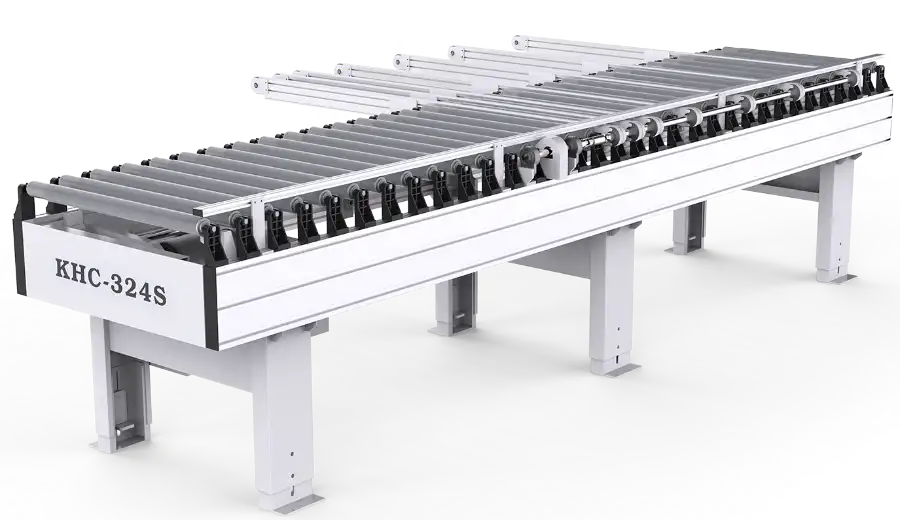
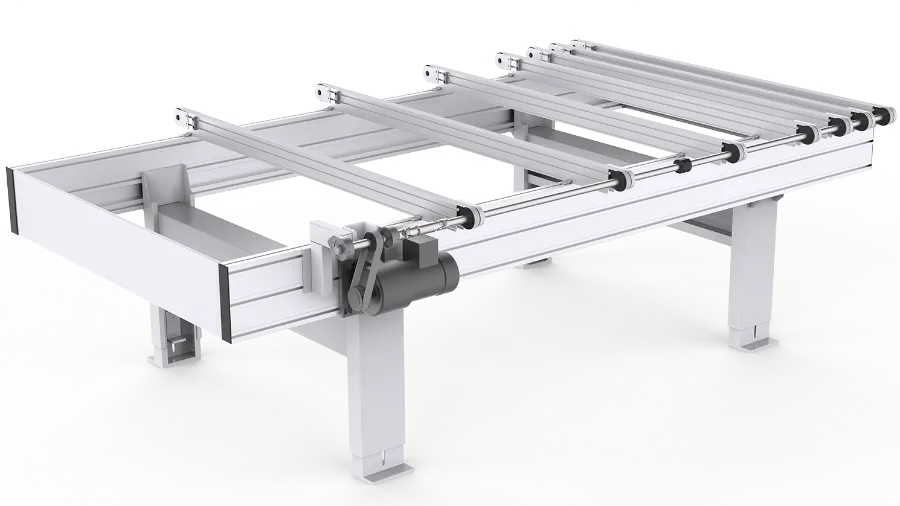
Facilitates the timely entry of panels. This means the boring machine never stops and is always machining the workpieces.
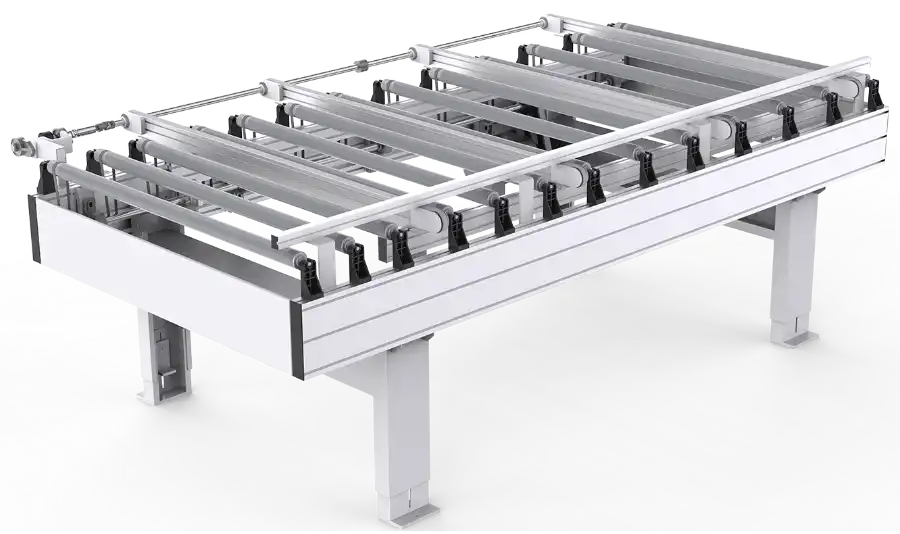
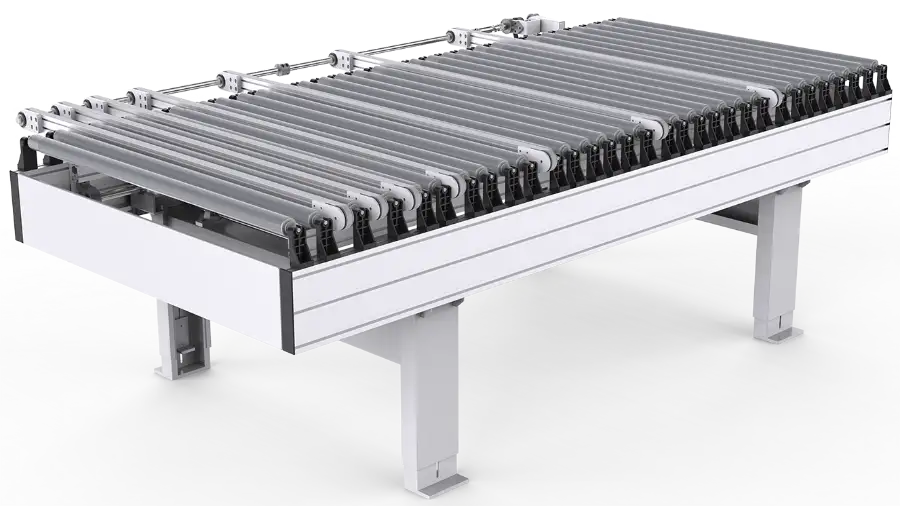
2. Storage buffers
In lines where there is a high volume of parts, we cannot allow the entire production to stop due to a jam. That is why we can equip our boring cell with a buffer or lung so that parts accumulate and are fed gradually. Production will be constant and without pauses.
3. QR code reading scanners
Each workpiece fed to the CNC boring machine has an integrated label containing all the information about its machining, the package it belongs to, etc.
A scanner at the entrance of the CNC boring machine allows the machine to know what type of machining it must perform.
How to choose the best automation system for your boring machine?
To select the right boring process automation system, consider the following factors:
- Type of material to be drilled: working with wood, aluminium or steel is not the same.
- Frequency of use: if you are going to perform continuous or series drilling, you need a robust system.
- Level of precision required: if the margin of error must be minimal, consider CNC or electric automation systems.
- Space and compatibility: ensure the system fits into your existing production line or special machinery.
- Budget and maintenance: evaluate the initial cost and medium- to long-term maintenance requirements.
Applications of automation systems for boring machines
Industrial automation systems for boring machines are used in a wide variety of industrial sectors where precise and repetitive drilling is a fundamental requirement. Some of their most common applications include:
- Metal industry: for carrying out exact drilling in metal parts, structures and machined components.
- Furniture manufacturing: in drilling processes for wooden parts for assemblies, fittings and structures.
- Automotive: on assembly lines where multiple points need to be drilled in chassis, engines or other components.
- Electrical sector: drilling machining of electrical panels, control panels and electronic components.
- Aerospace and railway: where a high level of precision and repeatability is required in technical materials and light alloys.
- Series production: any manufacturing environment where drilling patterns are systematically repeated, such as in the assembly of household appliances or modular systems.
Thanks to automation, these tasks are carried out more efficiently, reducing labour costs and production errors.
If you are looking for automation systems for boring machines, it is advisable to contact distributors specialising in industrial automation or machining machinery such as KDT Ibérica. With our machines, we can offer you bespoke solutions, technical advice and after-sales service, something essential in demanding industrial environments.
 Spanish
 Portuguese
 English