
Professional joinery machines: complete KDT catalogue
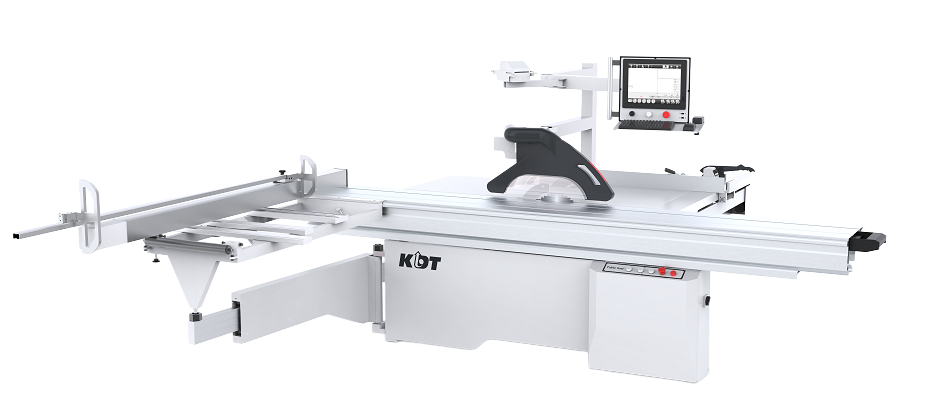
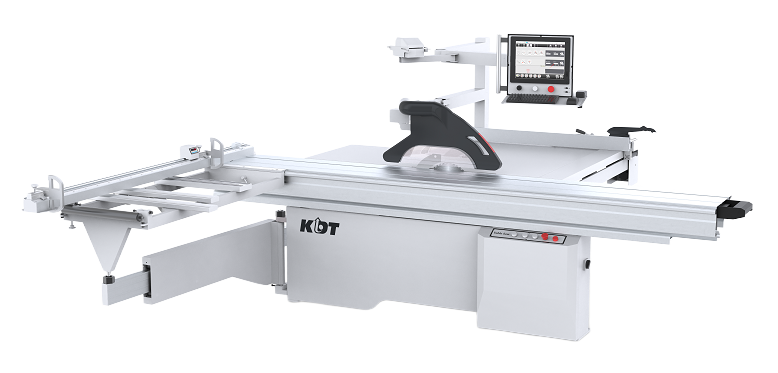
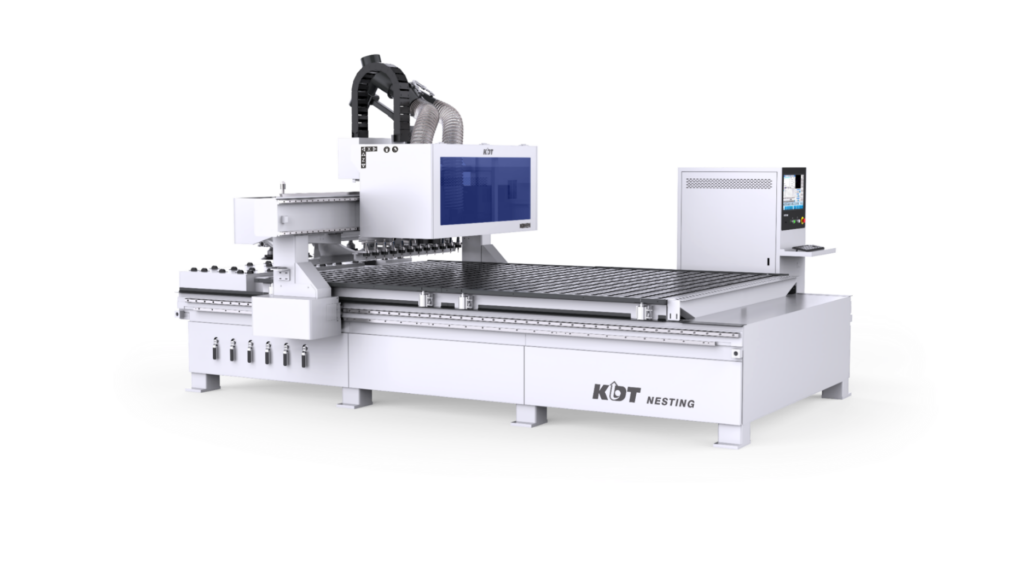
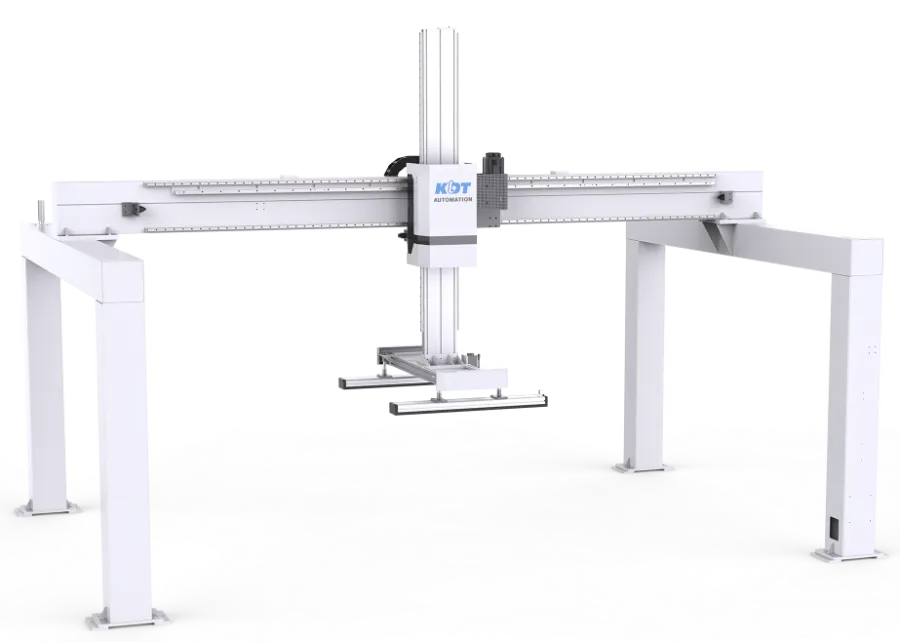
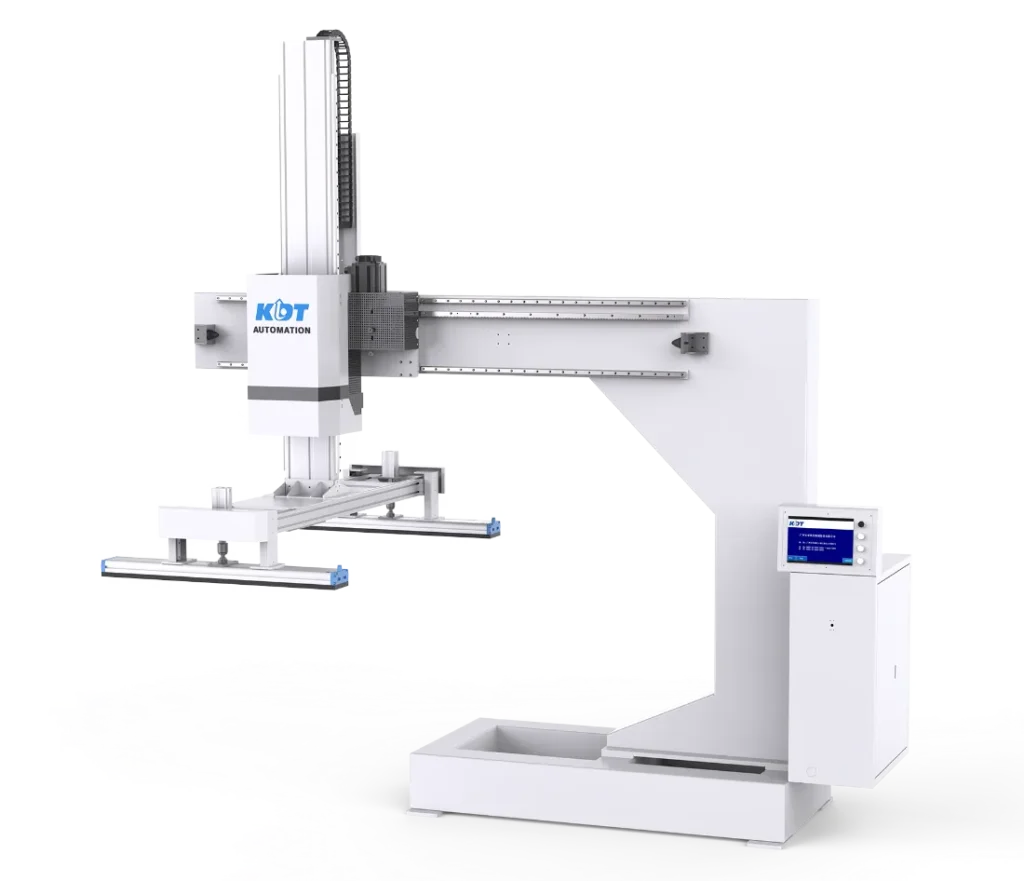
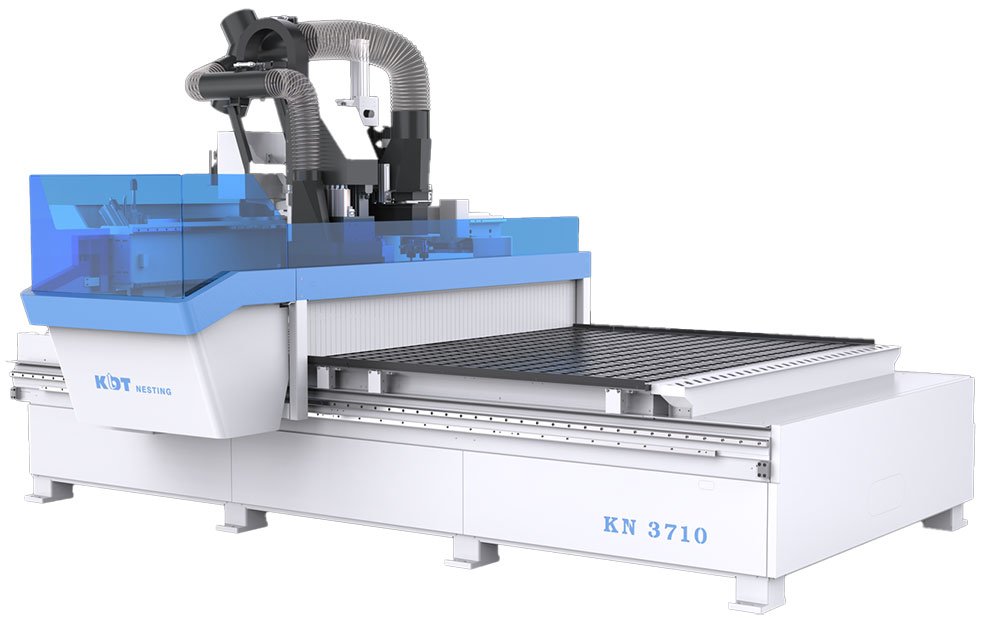
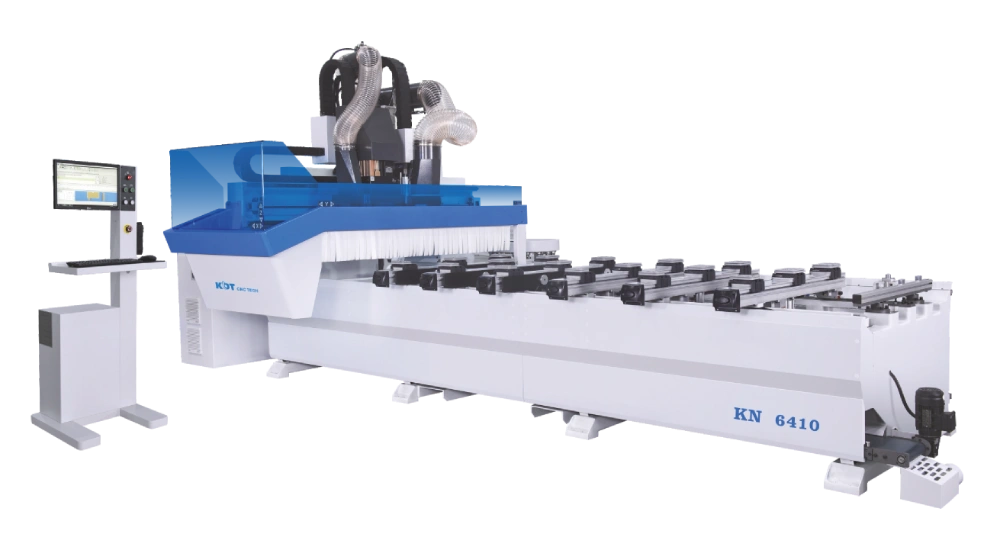
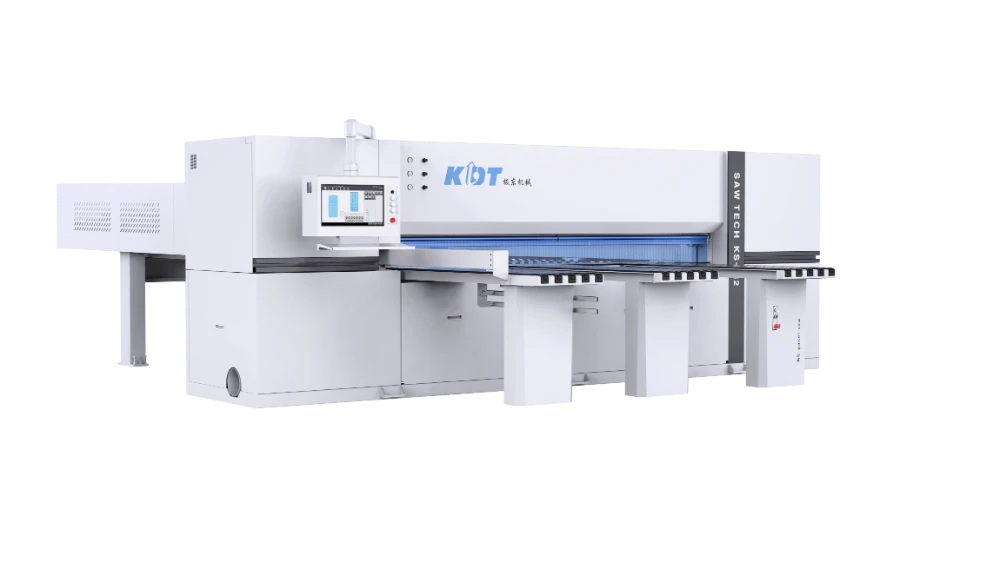

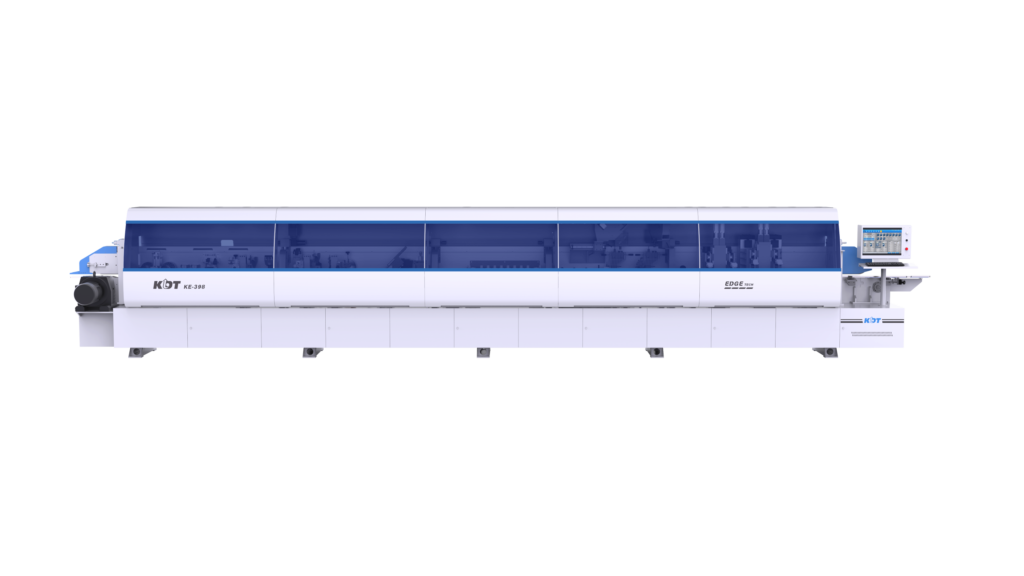
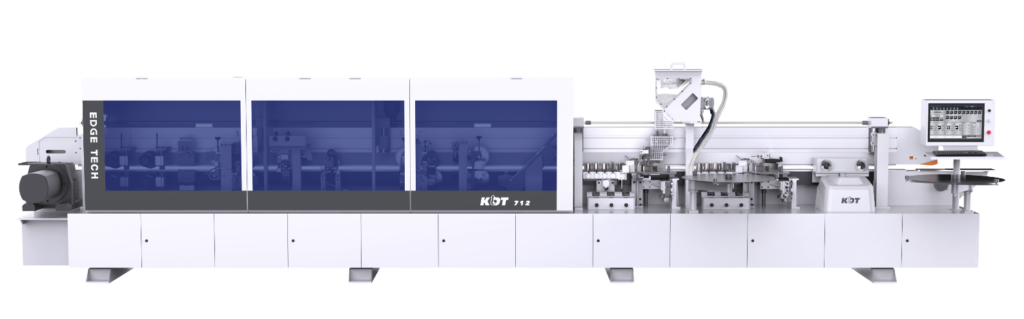
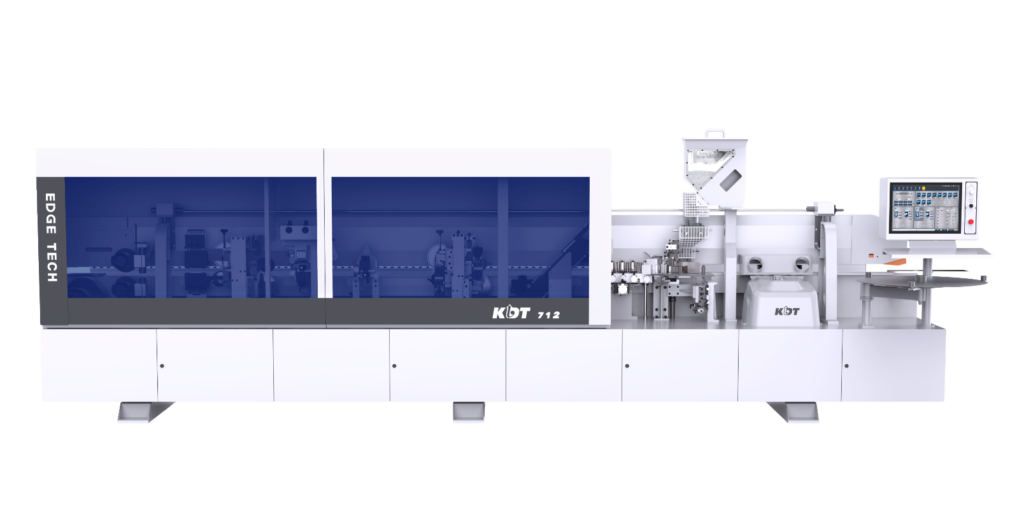
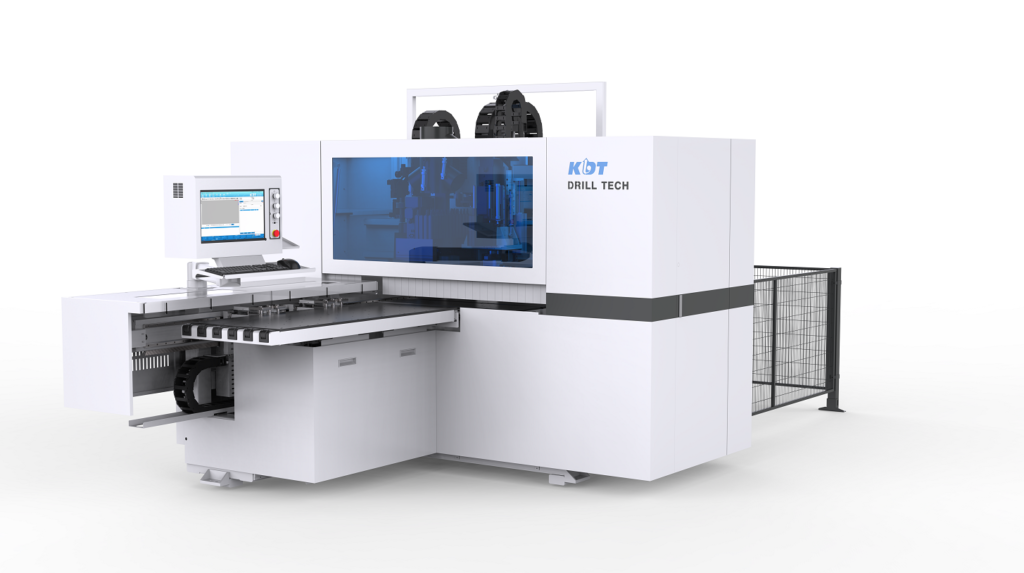
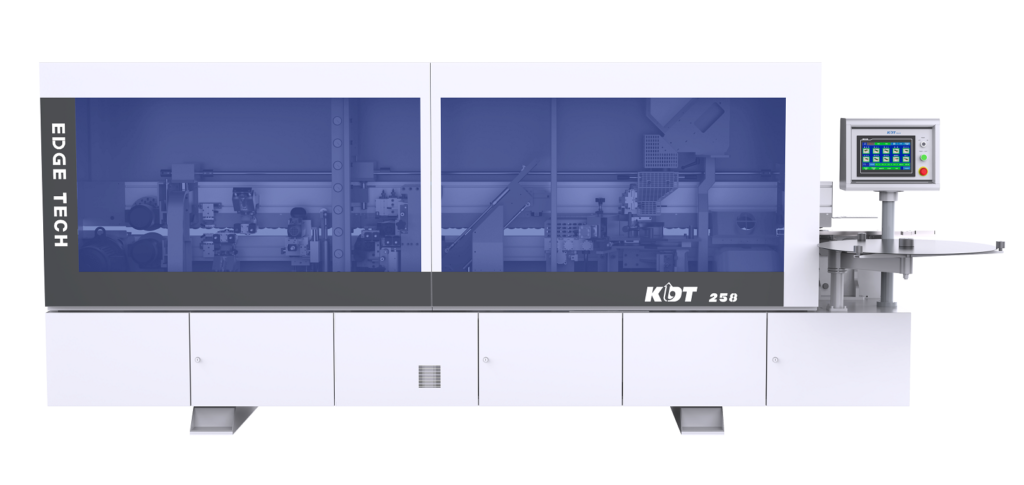

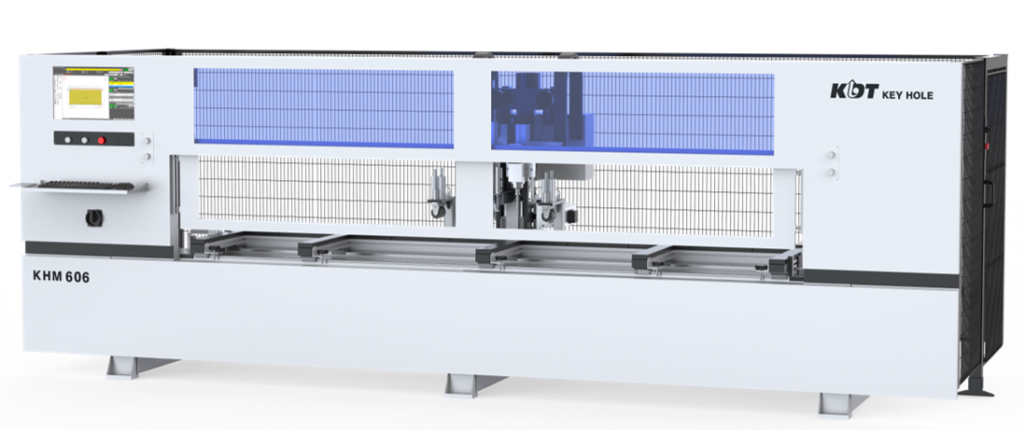

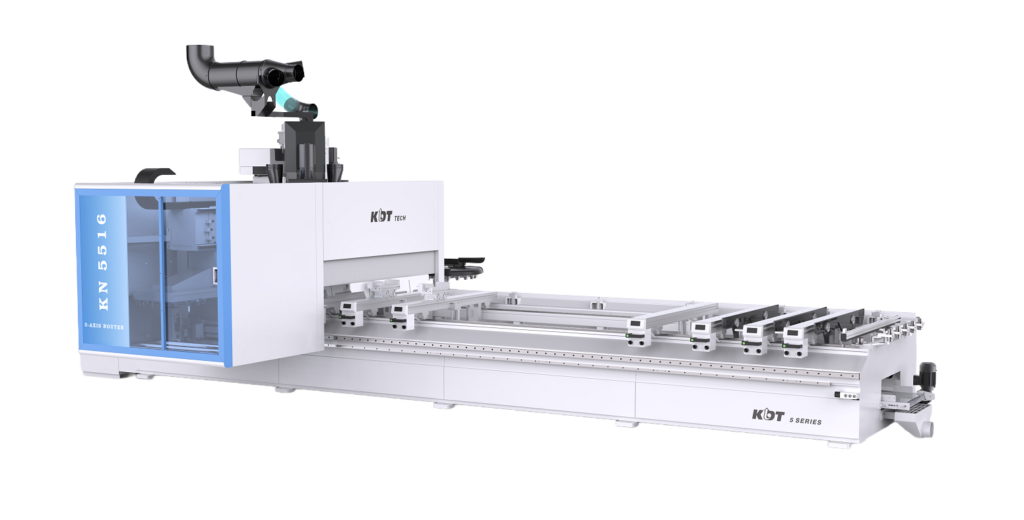
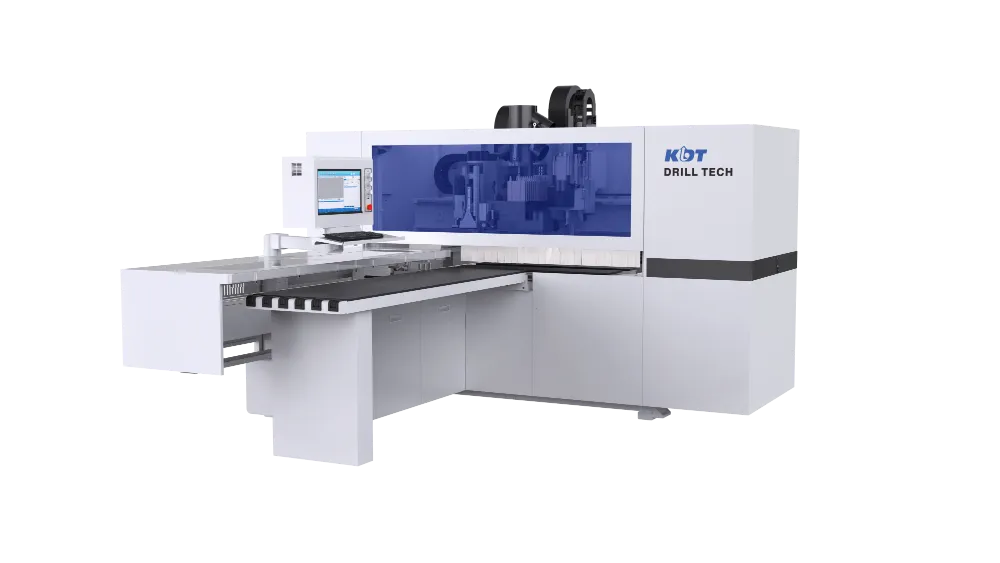
At KDT Ibérica we provide you with a complete catalogue of machines for industrial joinery, designed for medium and large companies that need continuous performance, precision and genuine technical support.
We don't just sell machinery: we help you configure the solution that best fits your production line, with the possibility of seeing each piece of equipment in operation at our showrooms before making any decision.
What machines does a joinery workshop or factory need?
Setting up a productive workshop is not a matter of accumulating tools, but of understanding which processes will have the highest workload and which equipment resolves them most efficiently. In the wood industry, the transformation flow goes through three well-differentiated phases: cutting and sizing, machining and shaping, and surface finishing.
Each of these requires specific machinery and, in intensive production environments, choosing the right equipment can make significant differences in cost per piece and cycle time.
What distinguishes a furniture factory from a craft workshop is not so much the type of machines it uses as the capacity of each piece of equipment to work continuously, with tight tolerances and without unplanned stoppages.
That is why, when we talk about woodworking machinery in industrial contexts, the selection criteria go beyond the initial price: the robustness of components, ease of integration into a production line and after-sales support weigh as much or more than the specifications in the catalogue.
Below we review the main categories that make up a complete joinery machinery park, with practical criteria to help you decide what you need in each case.

Cutting machines
Designed for dividing, sizing and initial shaping of raw material.
- Table saw: makes straight and precise cuts in panels and strips. Essential for mass production.
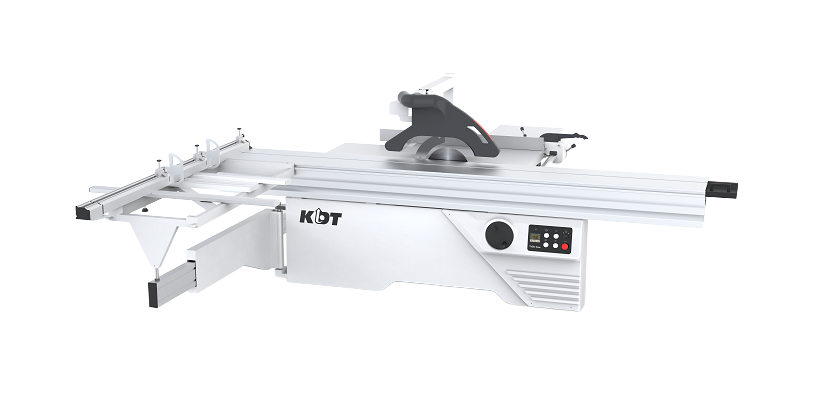
- Sliding table sawallows for square and angled cuts, ideal for large format boards.
- Band sawVersatile for curved, irregular cuts and thick workpieces.
- Mitre sawfor fast cut-to-length cutting of slats, beams and profiles.
Sliding table saws: precision in panel cutting
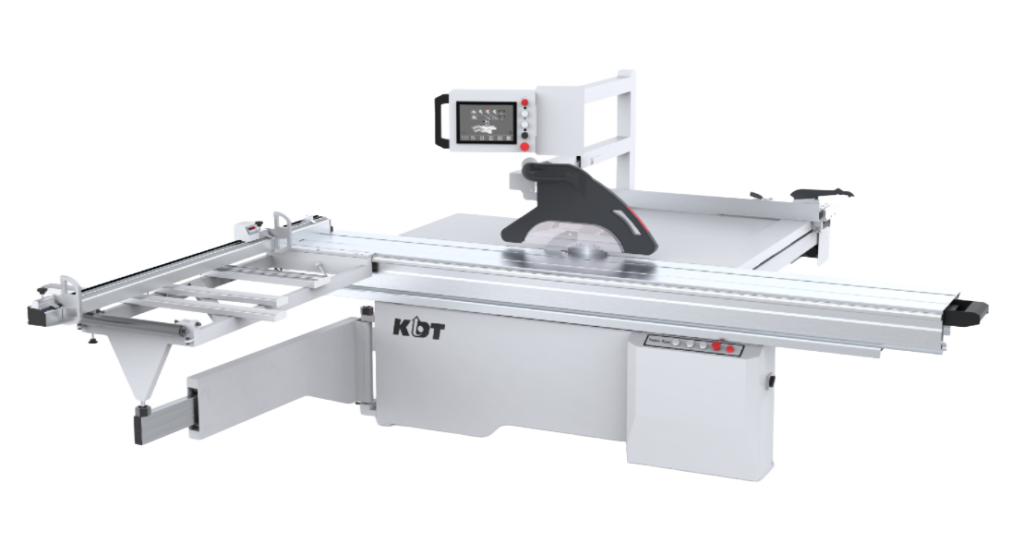
The An industrial sliding table saw is the heart of the sizing process in any furniture manufacturing or joinery plant.
Its main function is to cut large-format panels with perfectly perpendicular and repeatable angles, which is essential when working with long production runs.
The sliding table saw is not just a saw: it is the machine that defines the precision of everything that follows. A poorly squared cut carries through the entire
production line, generating unnecessary rework and waste.
Therefore, when choosing a sliding table saw, it is advisable to evaluate the cutting length, crosscutting capacity, the rigidity of the sliding table and the quality of the programmable stops.
In the KDT catalogue you will find sliding table saws from the KS series adapted to different production volumes, from the KS-132 for workshops with medium demand to more advanced solutions for continuous production lines. All are available for consultation in our showrooms, where you can check the cutting quality on real material before investing.
Industrial planers: preparation and calibration of wood
The planer is one of the machines most basic and most important operations in the process. Its job is to remove surface irregularities from rough timber, leaving flat faces and straight edges ready for assembly or finishing.
In industrial production, two complementary machines are distinguished:
- Wood planer (or surface planer): works one surface of the workpiece and corrects curvatures, warping or protruding knots. It is the first step before calibrating the thickness.
- Thicknesser (or industrial thickness planer): once one face is flat, the thicknesser establishes the final thickness of the board with constant tolerance across the entire batch.
The combination of planer and thicknesser defines the dimensional quality of solid wood that will be assembled or receive finishes.
In environments where timber from logs or rough-sawn pieces is worked, dispensing with either of the two is equivalent to accepting variations that are later paid for in adjustment time or in rejected pieces.
When choosing an industrial planer, the key parameters are working width, adjustable feed speed and the ability to change blades without stopping production for longer than strictly necessary.
Belt sanders for wood: high-production finishes
Spindle moulders and routers: mouldings and profiles with precision
The spindle moulder is, together with the sliding table saw, the most versatile machine in a joinery workshop. Its principle is simple: a rotating tool (cutter or cutter block) works the edge or the face of the workpiece to create profiles, grooves, rebates or mouldings.
The spindle moulder is essential in the manufacture of door frames, windows, skirting boards, decorative mouldings and any workpiece requiring a constant longitudinal profile. The quality of the result depends on the spindle rotation speed, the rigidity of the worktable and the precision of the lateral guidance.
In industrial environments, the fixed spindle moulder is complemented by CNC routers that allow complex profiles to be automated and reproduced with millimetre tolerances in long runs.
The practical difference between a manual spindle moulder and a CNC router is not only in speed: it is in the ability to reproduce exactly the same profile on the thousandth workpiece as on the first, without depending on the operator's adjustment.
If your production includes doors, windows or any type of serial moulding, the spindle moulder is a machine that cannot be missing from your equipment fleet.
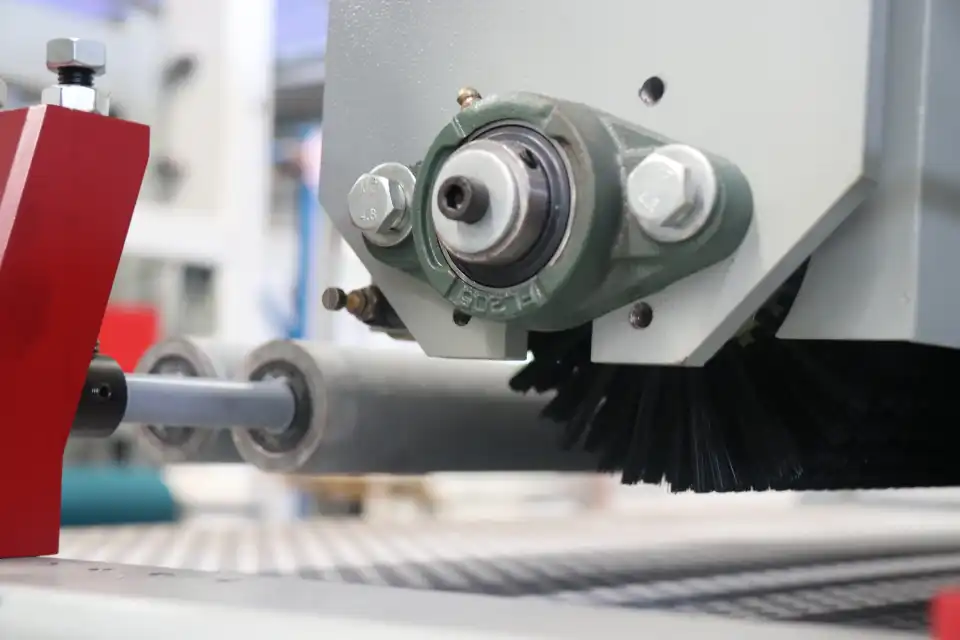
Brushing and surface finishing machines
They achieve flat, uniform surfaces ready for final finishing.
- Planerremoves irregularities and prepares the wood for assembly.
- Thicknesser: adjusts the thickness of the boards exactly.
- Belt sander: offers continuous and fast sanding on large surfaces.
- Calibrating sander: used in industrial production for homogeneous finishes.
Assembly and joining machines
They optimise workpiece assembly and guarantee strong joints.
- Hydraulic press: clamps and glues workpieces with uniform pressure.
- Edge banding machine: applies and fixes edges on boards quickly and cleanly.
Other essential joinery machines in your workshop
Beyond cutting and finishing equipment, a complete production line incorporates specialised machinery that solves specific processes with much greater efficiency than manual solutions.
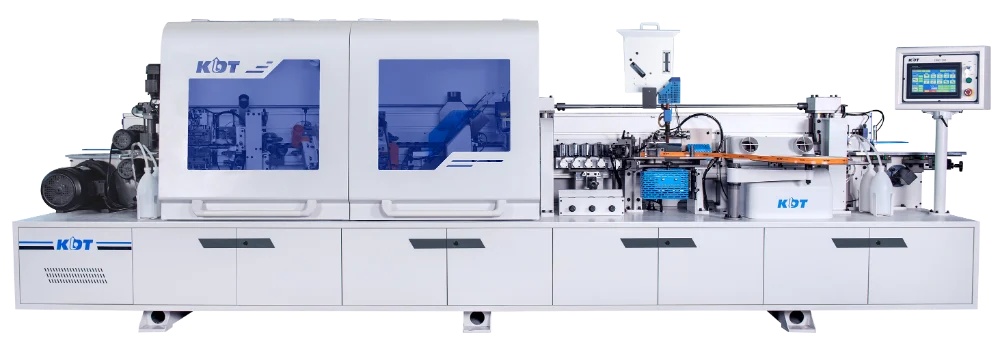
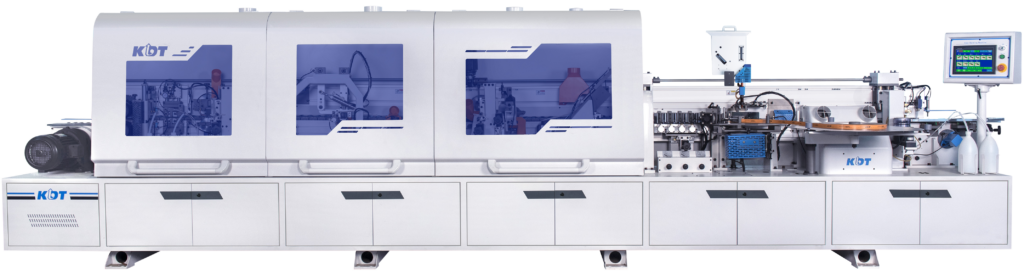
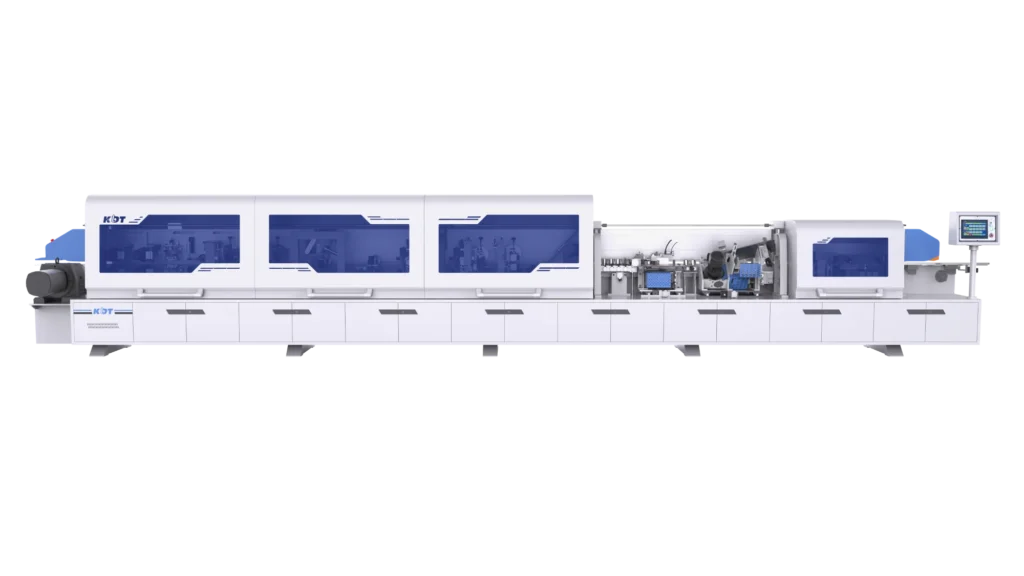
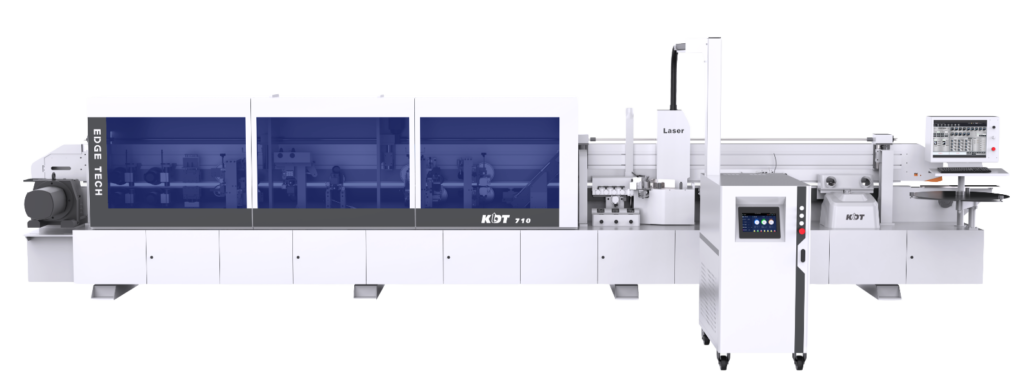
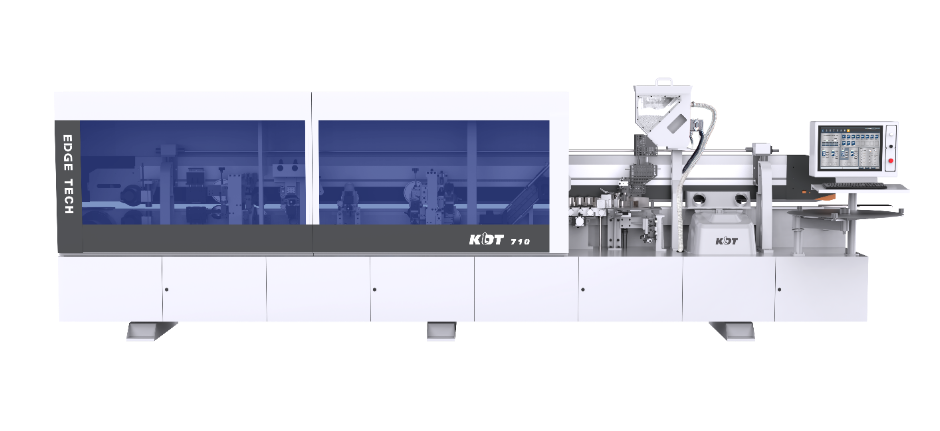
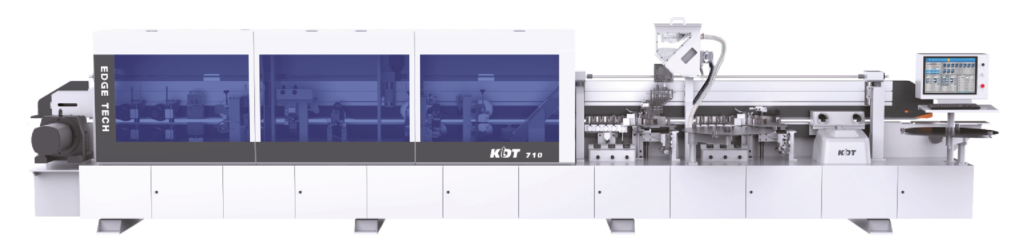
- KDT edge banding machines: apply PVC, ABS or veneer edging to machined panels. In furniture manufacturing, the edge banding machine is as important as the sliding table saw itself. Versions with laser or air-jet technology eliminate the visible glue line and reduce set-up time between runs.
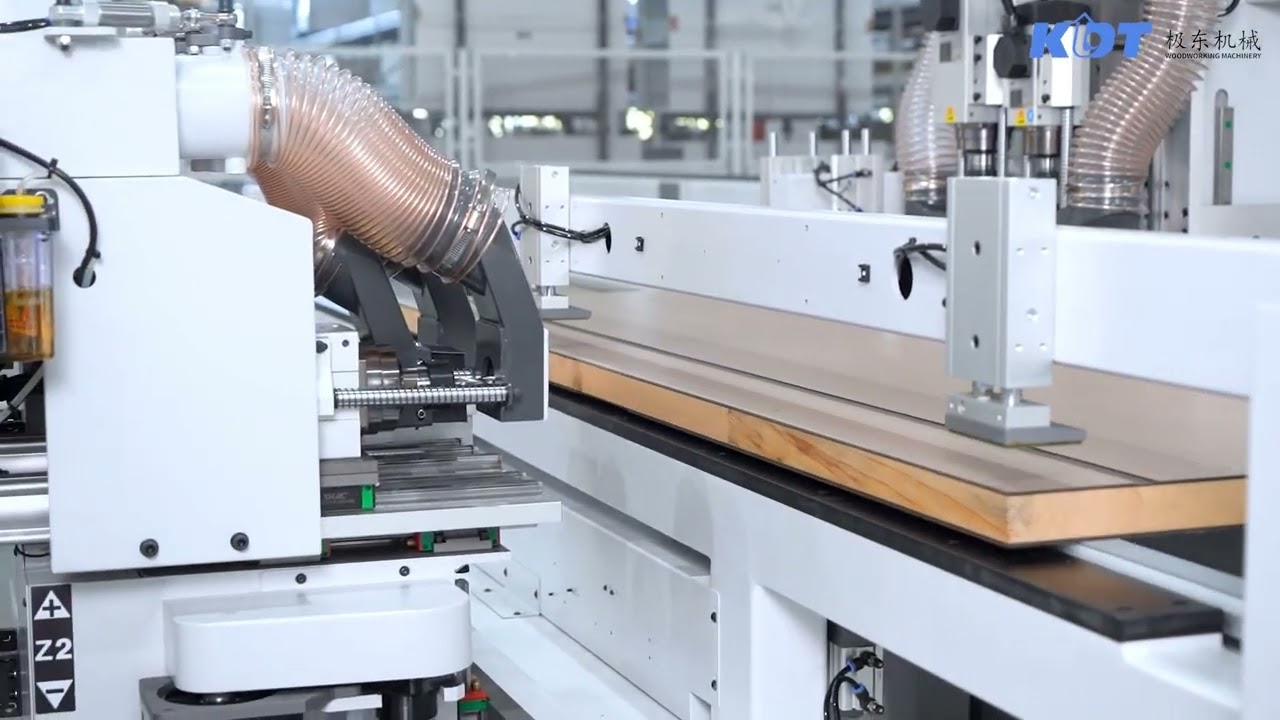
- Multiple boreholes: allow all necessary drilling operations for fittings and joints in furniture panels to be carried out in a single cycle. The time saving compared to manual drilling is very significant in medium and large production runs.
- Disconnectors: for optimised cutting of stacked panels, with cutting plan management that minimises material waste. Very common in distribution warehouses and bespoke cutting plants.
- CNC machining centres: integrate milling, boring and grooving with numerical control in a single machine. They form the basis of flexible production lines and enable the manufacture of complex parts without manual tool changes.
The ideal configuration of a woodworking machinery fleet depends on the type of product manufactured, production volume and desired level of automation. At KDT we analyse each case with you before proposing any solution.
Key factors in choosing a woodworking machine
Selecting the right joinery machines is not just a question of price; it is a decision that directly impacts productivity, final product quality and workshop profitability. These are the most relevant criteria to evaluate:
- Type of production: industrial production requires robust, high-capacity machinery designed for continuous use.
- Capacity and power: motor power and cutting or machining capacity determine efficiency. An undersized machine will slow down production and increase wear.
- Precision and stability: high-quality finishes demand stable tables, adjustable guides and fine calibration systems. In CNC machines, tolerance in microns is a critical factor.
- Security: in professional environments, safety is not optional: emergency stop systems, transparent and adjustable guards, anti-kickback technology and kickback control, and proximity sensors in latest-generation models.
- Ergonomics and ease of use: operators work many hours with these machines, so the design must minimise fatigue and allow quick adjustments.
- Maintenance and spare parts availability: opting for brands with local technical support and immediate parts availability prevents prolonged stoppages that affect production.
- Energy consumption: in continuous production, electrical consumption has a direct impact on operating costs. Machines with high energy-efficiency motors are a long-term investment.
- Integration into workflow: consider how the machine will adapt to the workshop layout, material flow and compatibility with other tools or production lines.
Industrial machinery versus professional machinery: when it makes a difference
Not all joinery machinery is the same, even though basic specifications may appear similar in catalogues.
The difference between professional-grade and industrial equipment becomes visible in three specific situations: when production is continuous (more than one shift per day), when required tolerances are tight (less than 0.1 mm), and when machine downtime has a direct cost on delivery.
Professional machinery
- Suitable for workshops with intermittent production
- Lower initial acquisition cost
- Good precision for short or medium runs
- Simpler and more economical maintenance
- Less availability of automation systems and accessories
Industrial machinery
- Designed for continuous use in one or multiple shifts
- Greater structural robustness and longer service life
- Tight tolerances maintained in long runs
- Integrable with automated lines and CNC systems
- Specialised technical support and guaranteed spare parts
Tips for optimising your woodworking machines
Good equipment is only the first step; its performance and service life depend on proper management. Implementing optimisation practices in the use and maintenance of joinery machinery guarantees consistent results, reduces costs and prevents unnecessary downtime.
- Preventive maintenance programme
Carry out periodic inspections following the manufacturer's instructions. Replace blades, saws and cutters before they lose their edge to maintain precision and prevent motor overload. Clean accumulated dust and resin to prevent overheating.
- Sharpening and calibration
Keep cutting tools sharp with specialised services or in-house sharpening systems. Check the alignment of guides, tables and stops to ensure straight and accurate cuts.
- Staff training
Ensure that operators know the operation, limitations and safety measures of each machine. Train in the efficient use of materials to reduce waste.
- Lubrication and wear control
Apply recommended lubricants at friction points to prevent premature wear. Monitor bearings, belts and gears, replacing parts before critical failures.
- Dust and chip management
Install industrial extraction systems to protect workers' health and extend machinery service life. Clean filters and collection bins regularly to maintain extraction power.
- Workflow optimisation
Position each machine following the production sequence to minimise unnecessary movement. Combine fixed and portable machinery to increase operational flexibility.
- Consumption monitoring
Monitor the electrical consumption of each machine to detect inefficiencies. Assess the replacement of old equipment with lower-consumption, higher-performance models.
At KDT we help you identify where your actual production sits on this spectrum, so that your investment is proportionate and not excessive.
Why choose KDT Ibérica for your joinery machinery
There are many suppliers of woodworking machinery, but few can offer you what KDT Ibérica brings to the table as a real differentiator.
Operational showrooms in Spain, Portugal and Morocco: Before committing to any equipment, you can see how it works on real material at our facilities. We're not talking about demos under ideal conditions: we work with the same parameters you would encounter in your production line. This eliminates the uncertainty that usually accompanies an industrial machinery purchase.
Adaptation to your process, not the other way round: We analyse your production flow, the type of parts you manufacture, the volume and the finishes you require before proposing any machine. The objective is not to sell the most expensive equipment but the one that best solves your specific case.
Specialised after-sales service with local presence: A machine stopped in production has a direct cost. Our after-sales technical service is structured to minimise response times and guarantee the availability of spare parts for KDT equipment. You don't depend on import times or intermediaries.
Training included in commissioning: When equipment arrives at your plant, our technical team ensures that the operators who will work with it do so from day one with safety and efficiency. The learning curve is shortened and the first results are representative of the equipment's real performance.
If you're looking for joinery machinery with real backing, KDT Ibérica is the partner your production needs. Request a quote or consult the complete catalogue and find the equipment that fits your workshop.
Services, technical support and professional assistance
At KDT Portugal we are not just machine suppliers. Our company accompanies clients throughout the entire process, from equipment selection to its integration into the production line.
We offer technical support, training and assistance services, ensuring that joinery machines operate efficiently and safely. This support is essential for companies seeking to maximise their investment and ensure continuous equipment performance.
Our commitment to clients is based on proximity, technical knowledge and the ability to respond to the real needs of each project.
Joinery in Portugal: solutions for today's market
The joinery market in Portugal continues to grow, driven by demand forbespoke furniture, design projects and quality industrial production.
Companies in the sector need reliable solutions that enable them to create competitive products adapted to market demands.
KDT Portugal's joinery machines have been developed to meet these needs, offering industrial solutions designed for professional production, whether in small workshops or large companies.
Our presence in the Portuguese market reflects our commitment to providing technology, quality and ongoing support to joinery professionals.
Choose KDT for your professional joinery
Choosing KDT means backing a company specialising in industrial joinery solutions. We work with joinery machines designed to generate real value in production, improve processes and guarantee quality in every project.
Whether manufacturing furniture, doors or bespoke pieces, our solutions adapt to your needs and workspace. KDT Portugal provides its customers with advanced technology, specialised services and a results-oriented approach.
If you're looking for joinery with industrial solutions, professional machines and dedicated technical support, KDT is the ideal partner for your woodworking project.
Frequently asked questions about woodworking machines
What woodworking machinery is essential in a professional workshop?
The basics include table saw, planer, thickness planer, shaper, belt sander and drill press. Depending on the type of production, CNC routers, presses and edgebanders can be added.
What is the best woodworking machine for cutting solid wood?
The band saw is ideal for cutting thick solid wood, while the table saw offers greater precision for straight and repetitive cuts.
What is the difference between a planer and a thicknesser?
The planer smoothes the surface of the wood and corrects irregularities, while the thicknesser adjusts the thickness of the boards evenly.
How to keep woodworking machines in good condition?
Daily cleaning, regular sharpening of blades and discs, lubrication of moving parts, and periodic checking of alignments and safety systems are recommended.
Is it worth investing in CNC woodworking machinery?
Yes, in industrial production or high-precision work, CNC machinery improves speed, reduces errors and allows complex designs with millimetre tolerances.
What is the difference between a sliding table saw and a beam saw?
Whilst both cut panels, the sliding table saw is optimised for square cuts with high precision on individual pieces or short runs, whilst the beam saw works with stacks of panels and is oriented towards optimising high-volume cutting. In plants with high panel throughput, both machines can coexist with complementary functions.
What technical support does KDT offer after purchase?
KDT Ibérica has a specialised after-sales service with its own technicians and spare parts availability in Spain, Portugal and Morocco. The service includes commissioning, operator training and on-site or remote technical assistance depending on the type of issue.
They work the wood to obtain specific profiles, grooves and shapes.
- Spindle moulder or table routercreates mouldings, recesses and recesses with high precision.
- CNC milling machine for woodAutomates complex cuts and engravings with millimetre accuracy.
- Multi-drill: drills several positions at the same time, ideal for modular furniture.
Machining and moulding machines
The industrial wood sanding machines are the last step before final finishing and, in many plants, the bottleneck that most impacts productivity if the machine is not properly sized.
The belt sander for wood works with a continuous abrasive belt that allows flat surfaces to be sanded quickly and uniformly.
In furniture or board production, the wide belt sander is the reference for achieving exact thicknesses and finishes without marks that could affect the appearance of subsequent varnish or paint.
Within the KDT catalogue you will also find brush sanders for profiled surfaces, edge sanders y moulding sanders for complex profiles. The key when choosing a sanding machine for wood lies in three factors:
- Useful working width, which determines the maximum size of workpiece that can be processed in a single pass.
- Pressure and speed regulation, necessary to adapt the machine to different materials and finishes.
- Integrated dust extraction system, which in continuous production is not an accessory but part of the machine's performance.
If your process includes MDF board, chipboard or veneered wood, the wide belt sander with double belt offers the best balance between speed and finish quality.
 Spanish
 Portuguese
 English