
Furniture manufacturing machinery: cutting, machining and edge banding



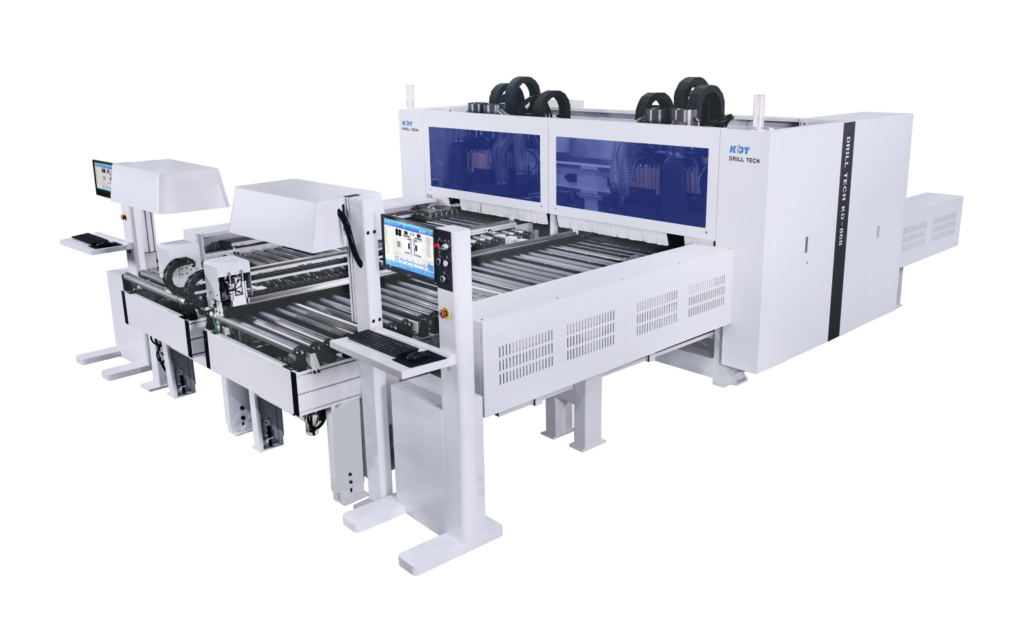
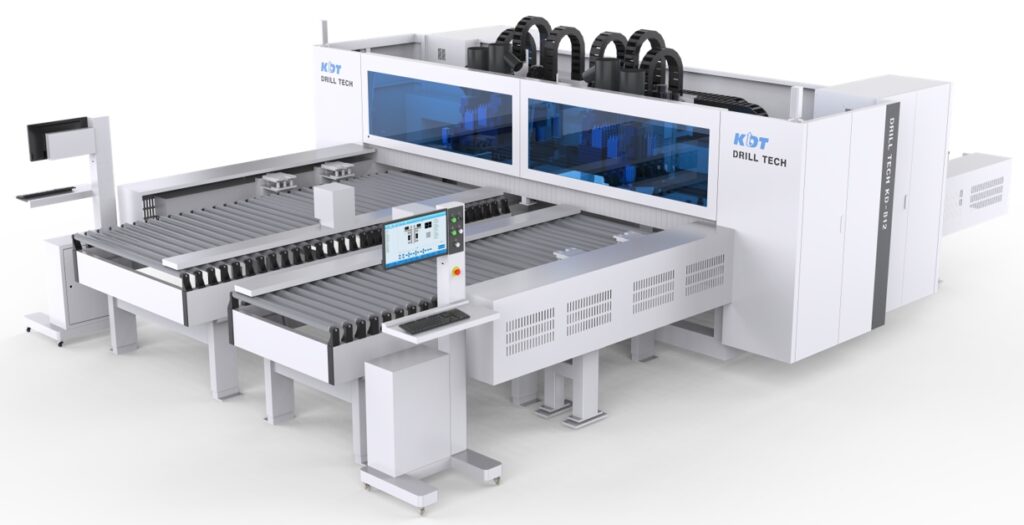
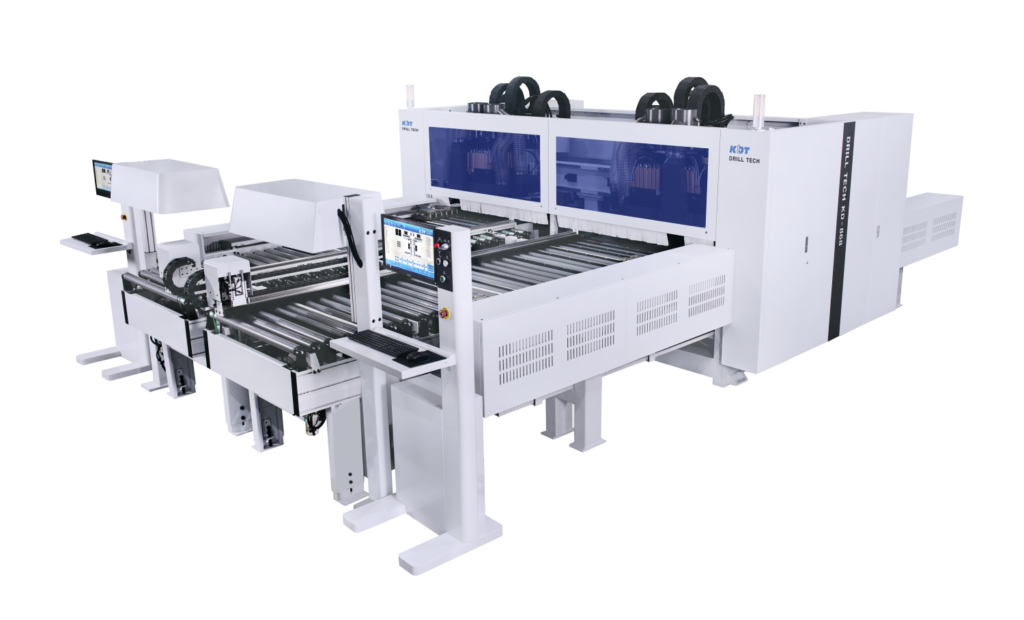
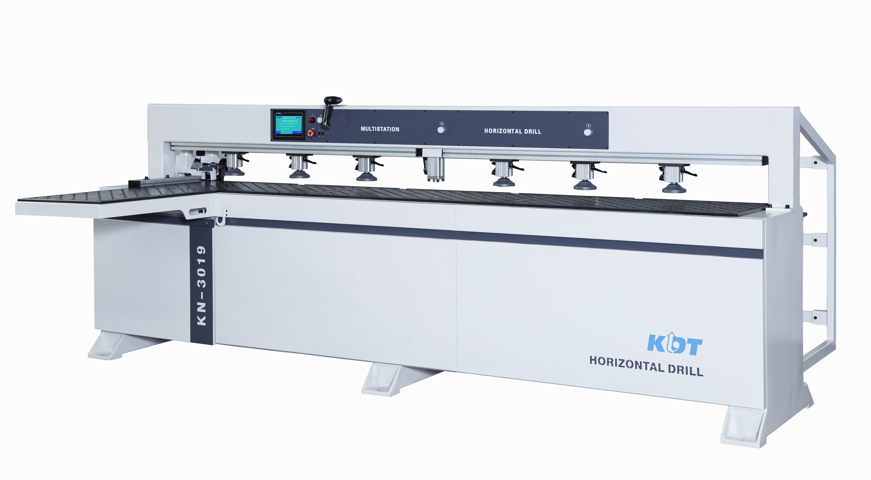
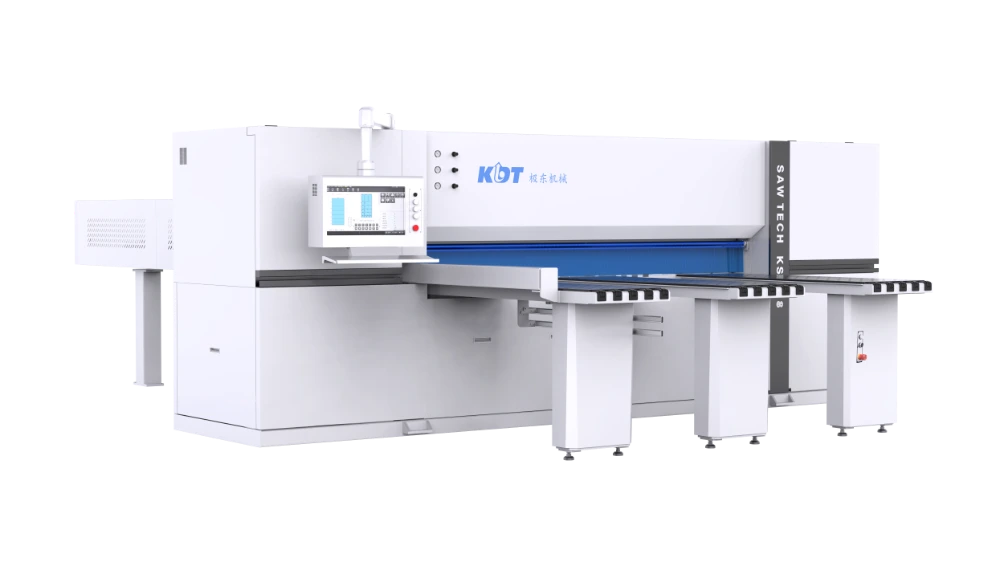
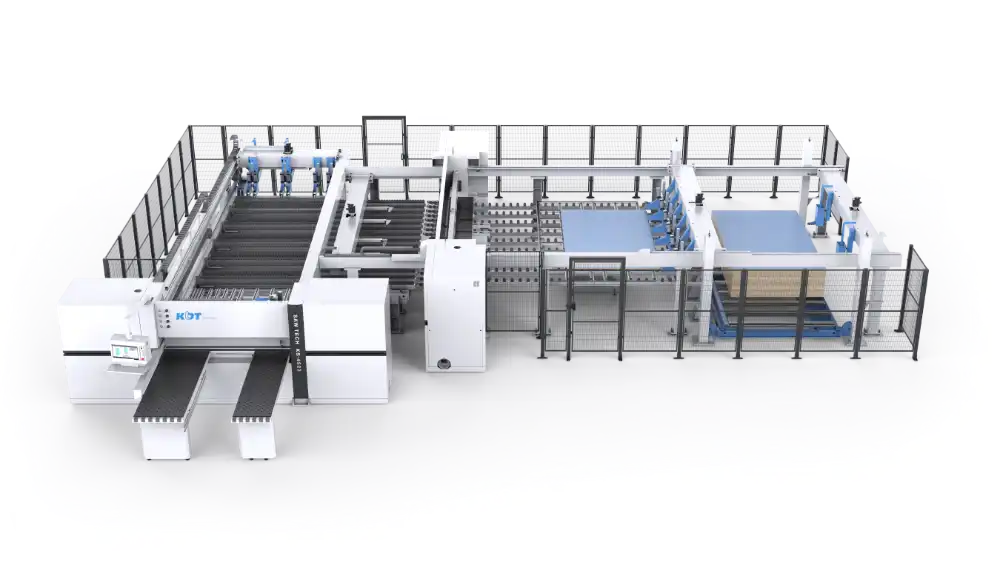
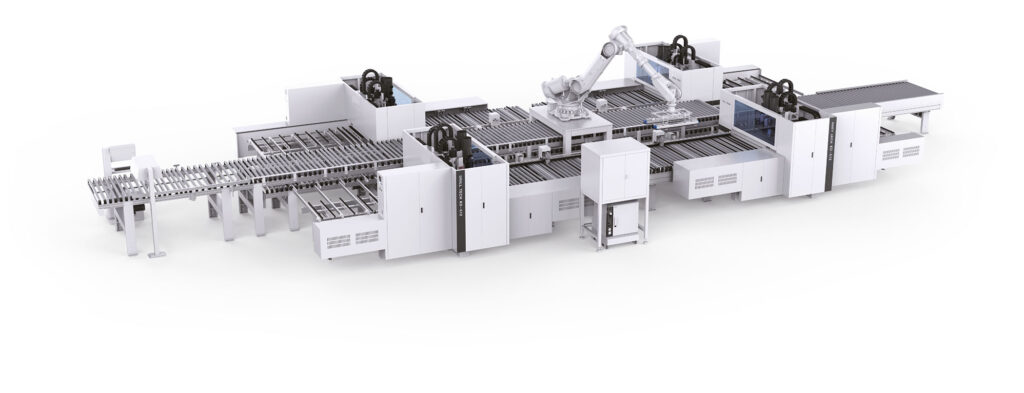


Furniture machinery determines the quality of each piece, influences production speed and can define the profitability of the entire business.
A well-chosen machine allows you to work with precision, reduce times and make better use of each material. At KDT Ibérica we have spent years helping furniture manufacturers equip and modernise their plants: from the first cut to the final finish, we know every phase of the process and we know which machines you need at each stage.
In this guide you will find the most commonly used types, their applications and the essential criteria for selecting the option that best suits your needs and budget. If you manufacture furniture on an industrial scale or are in the process of modernising your plant, this guide is designed for you.
Cutting is the first phase of any furniture manufacturing process and, to a large extent, determines everything that follows.
An imprecise cut generates misalignments in assembly, increases material waste and slows down the production line. That is why choosing correctly between a sliding table saw and a beam saw is one of the first strategic decisions in configuring a plant.
The sliding table saw is the reference machine in workshops and factories working with wood panels, MDF or chipboard. It allows straight cuts to be made with high precision and is the ideal machine when versatility is required and manual control of the process. Our sliding table saws are available in various formats, from compact models for tighter spaces to high-capacity versions for demanding production lines.
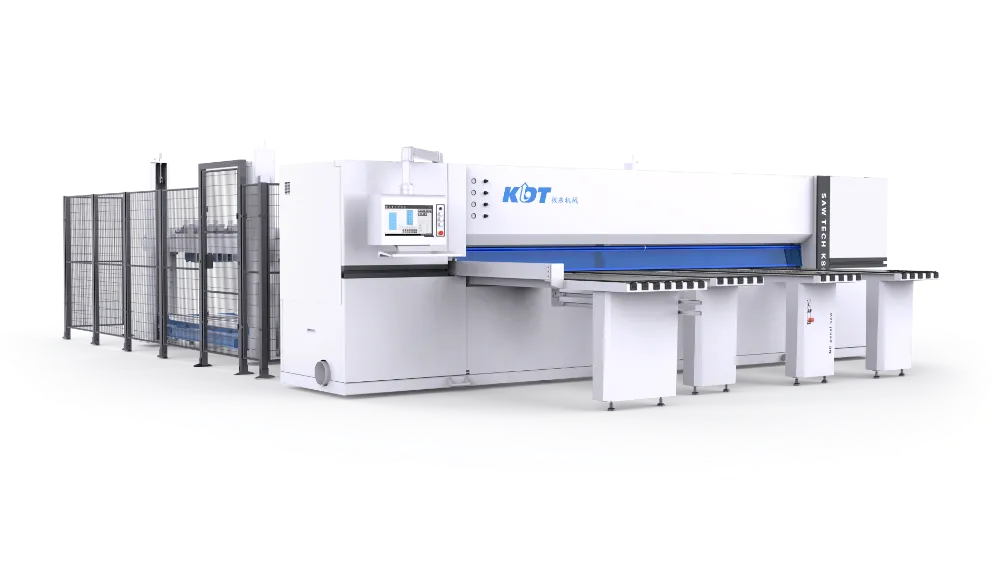
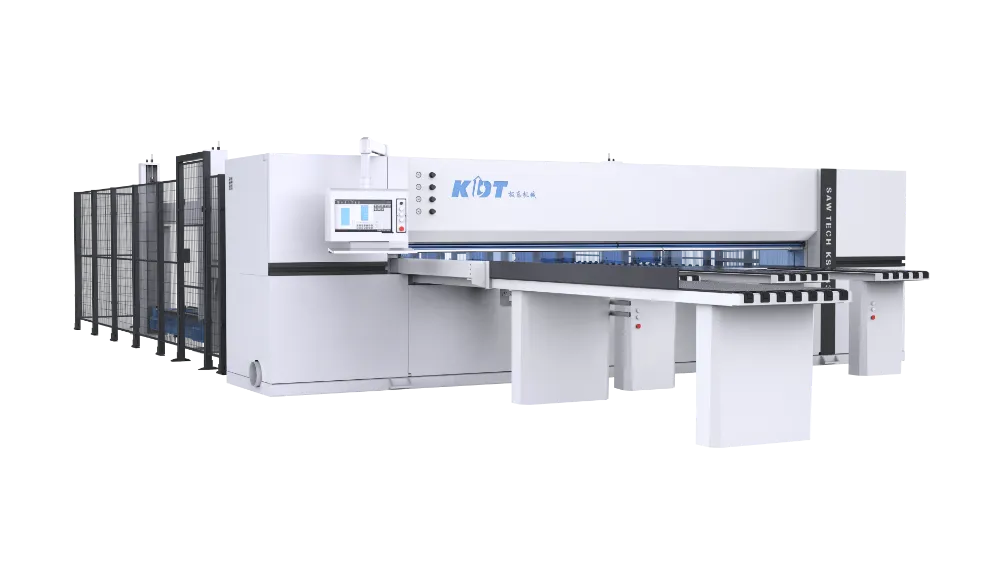
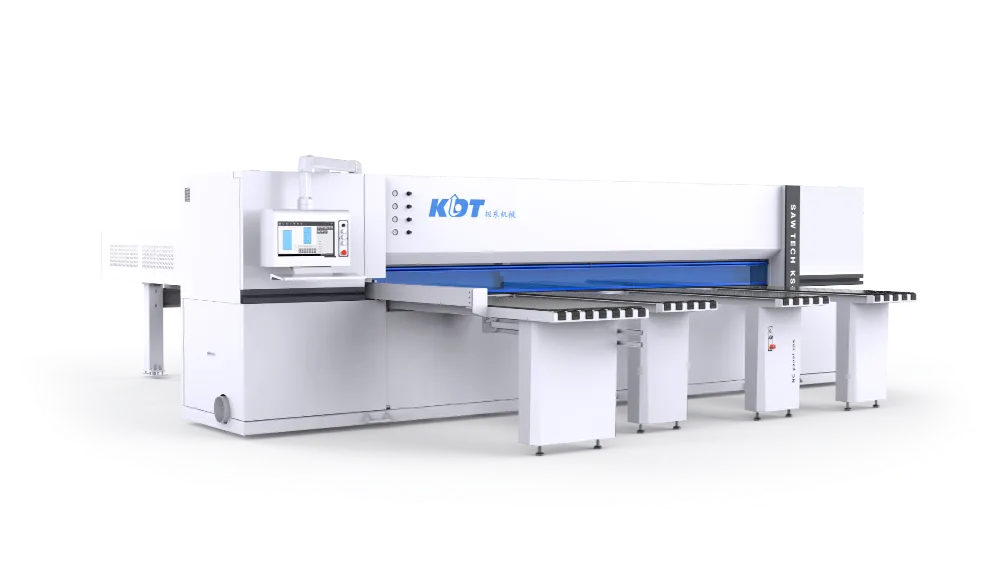
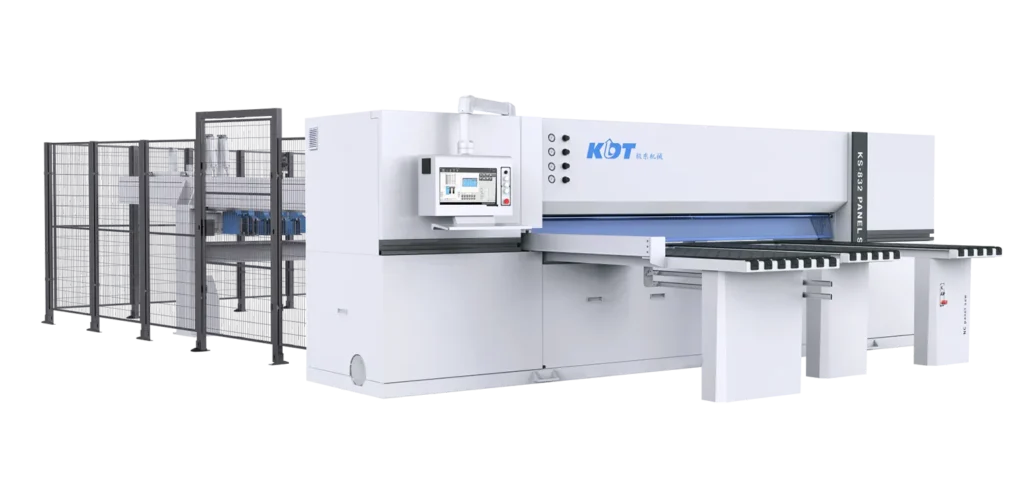
The beam saw, on the other hand, is designed for higher-volume production. It works in a more automated way, with motorised push systems and, in the most advanced models, with automatic panel loading and unloading. If your factory handles a high number of pieces per day and you need to maintain a constant pace, the beam saw allows you to optimise cutting time significantly.
Cutting machines: sliding table saws and beam saws
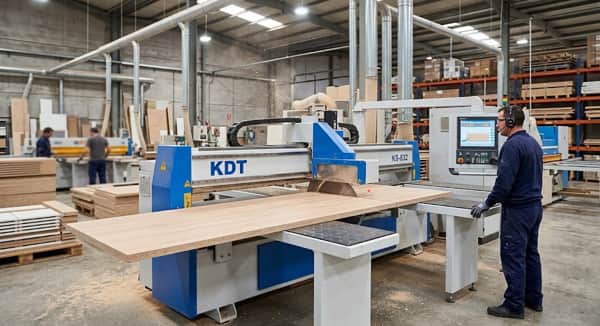
The choice of the right joinery machinery depends on the type of furniture being manufactured, the production volume and the desired finish.
Among the most widely used machines in the furniture production and joinery workshop industry, the following stand out:
- Cut-off saws: circular saws, sliding table saws and band saws enable straight, angled and curved cuts with high precision. They are essential for preparing solid wood pieces, MDF boards or chipboard before assembly.
- Sanding and calibrating machines: these machines refine the surface of workpieces, removing imperfections and ensuring a uniform finish. Wide belt sanders are ideal for high-volume work, as they allow multiple pieces to be sanded in a short time to the exact same dimension.
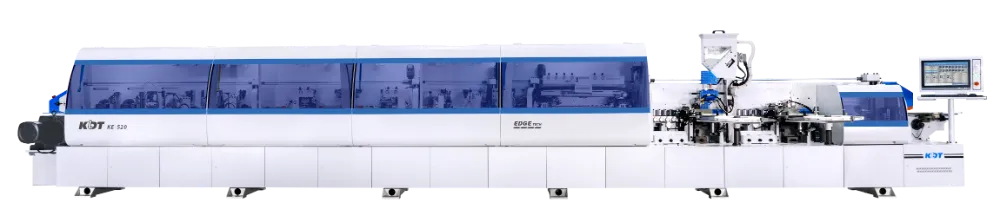
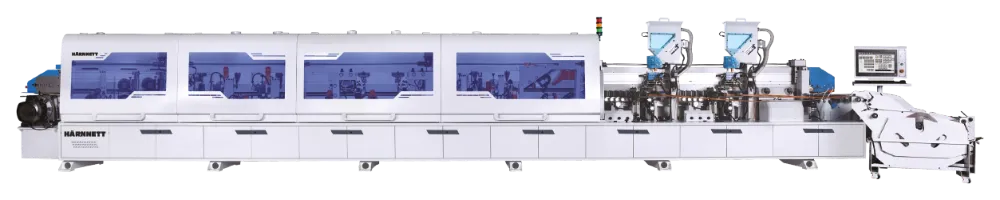
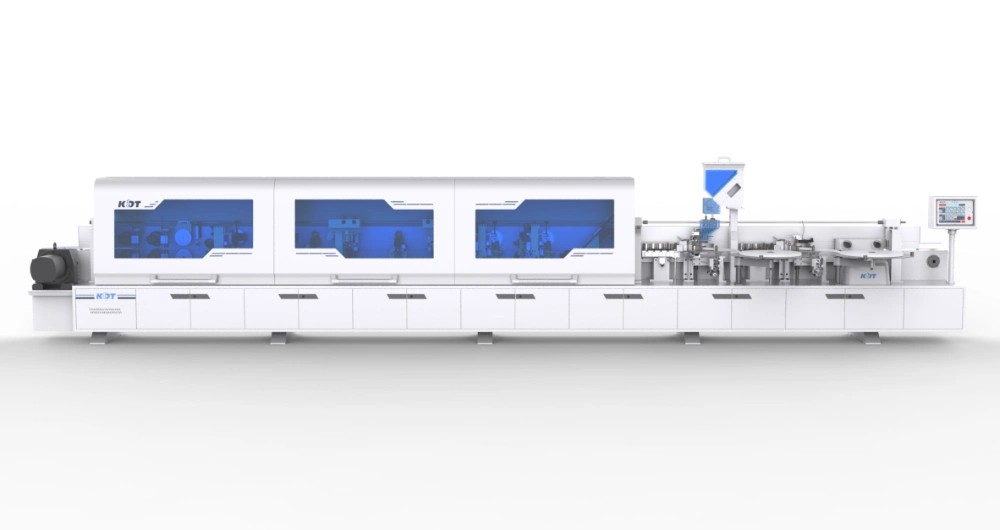
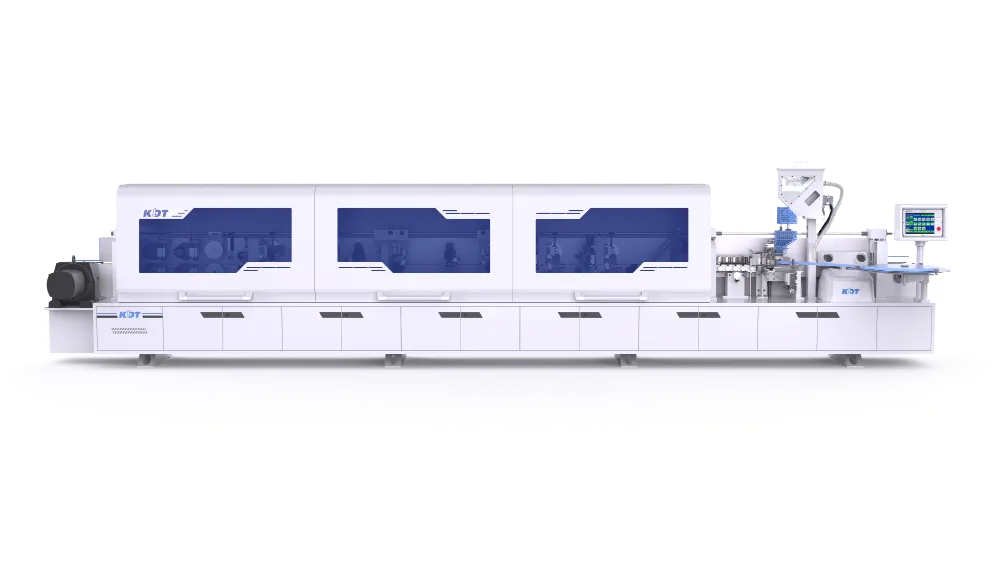
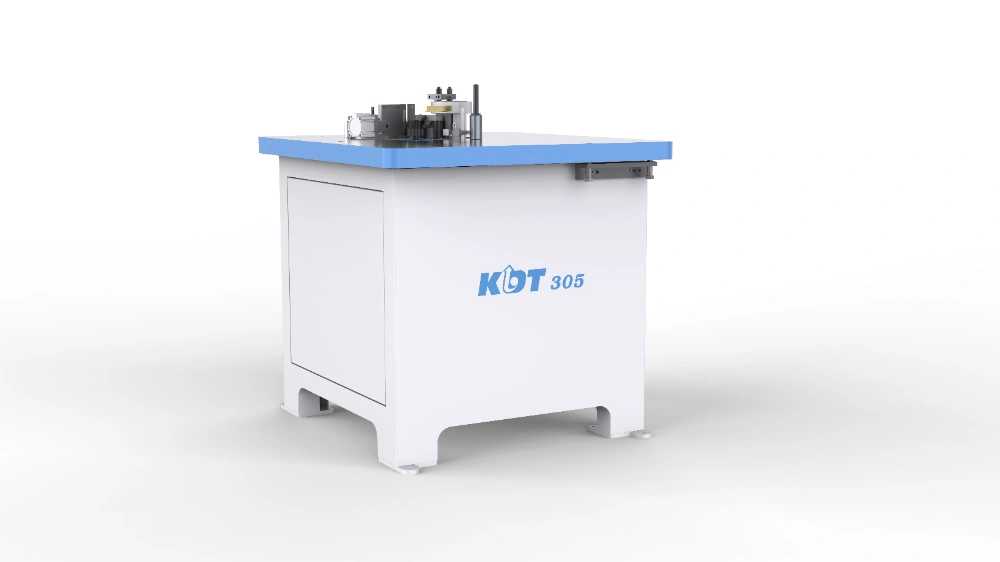
- Edgebanders: they apply PVC, melamine or natural wood edges to protect and enhance the ends of boards and workpieces. They ensure professional finishing systems, preventing chipping and improving furniture durability.
- Milling machines and CNC machines: manual routers offer versatility for making grooves, mouldings and decorative cuts. CNC machines (computer numerical control) take this work to an industrial level, automating the process and enabling complex designs with great precision.
- Presses and assemblers: they ensure firm joints through controlled pressure, essential for furniture requiring strength and stability. They can be manual, pneumatic or hydraulic, depending on the volume and type of work.
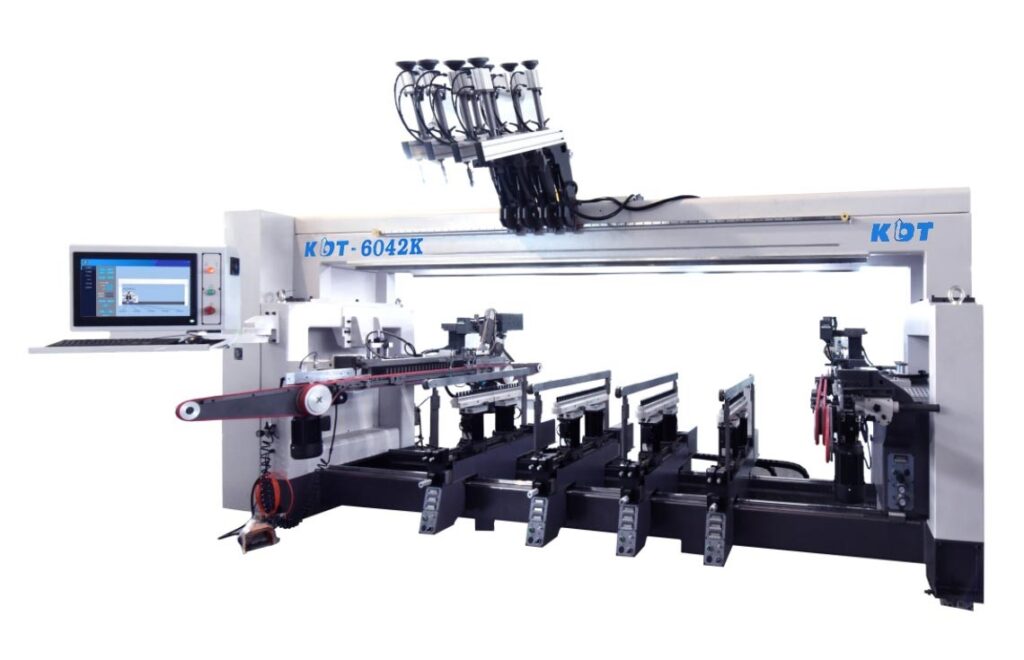
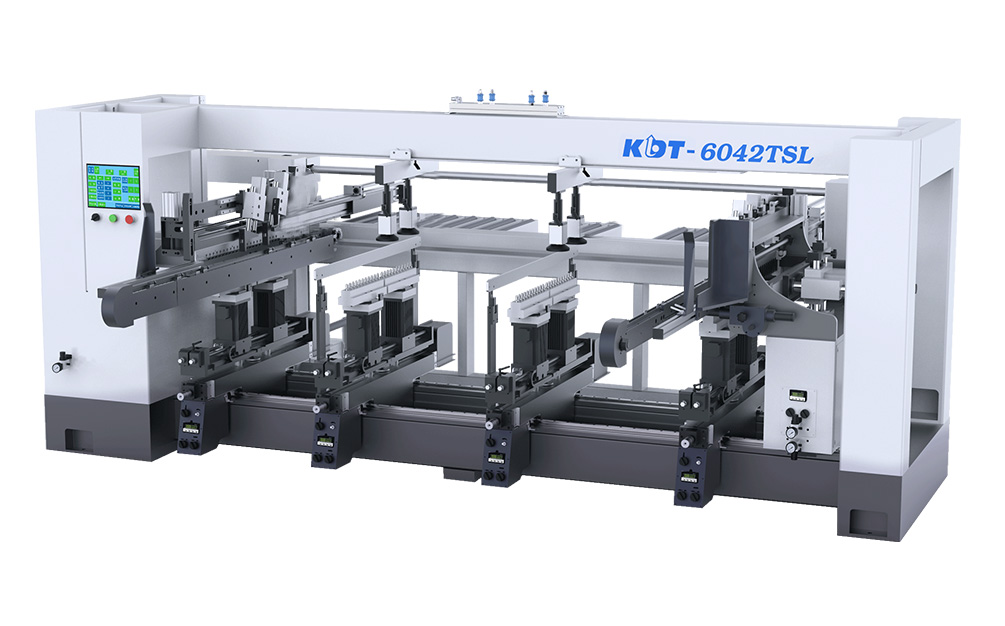
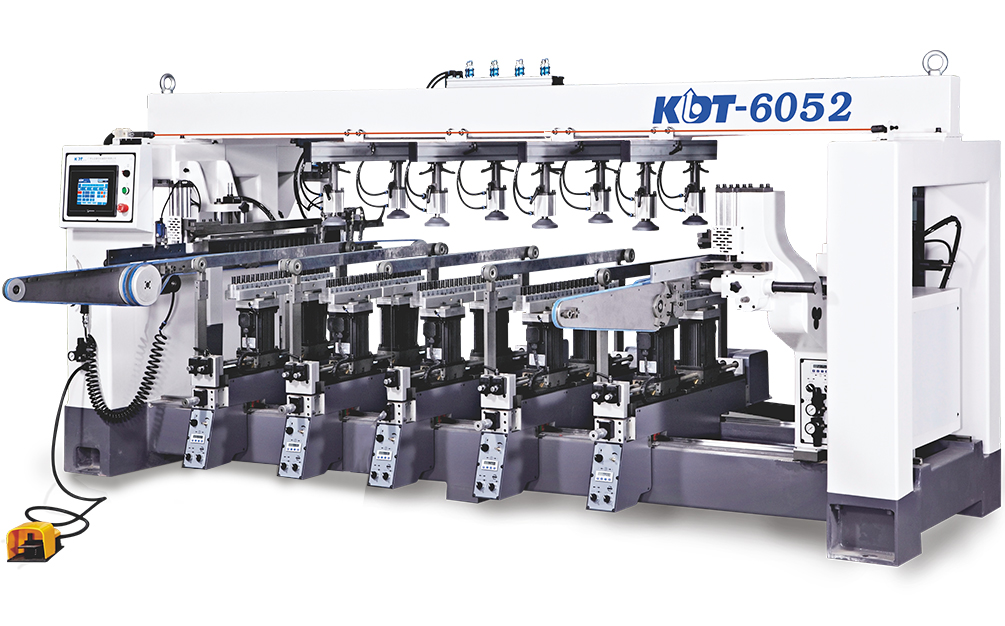
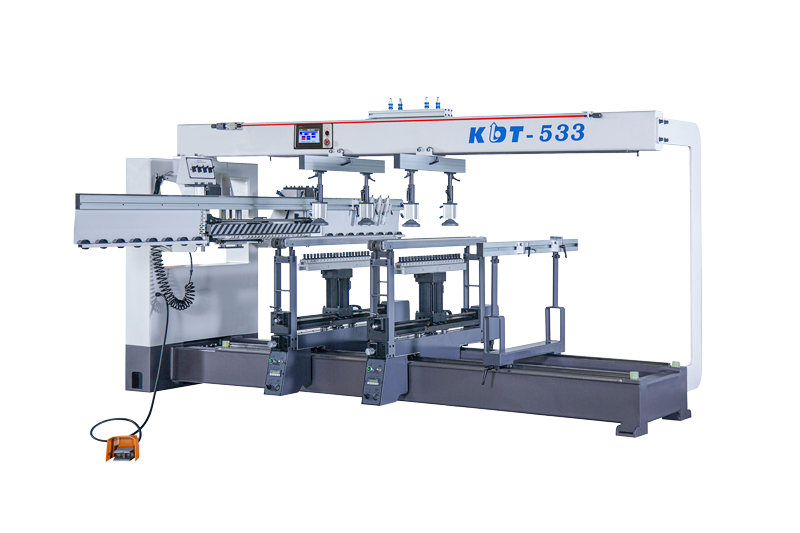
- Drills and multi-drills: they facilitate the creation of holes for assemblies, fittings and hinges. Multi-spindle models allow several workpieces to be drilled simultaneously, optimising production time.
Below, we review in detail each phase of the production process and the machinery involved in it.
Main types of furniture machinery
When to use one or the other?
The sliding table saw is better suited to medium-scale production, with a variety of workpieces and the need for frequent adjustments. The beam saw is the natural choice when volume is high and cutting formats are more repetitive. In many plants both coexist: the beam saw for the bulk of production and the sliding table saw for specific jobs or short runs.
CNC machining centres and Nesting process
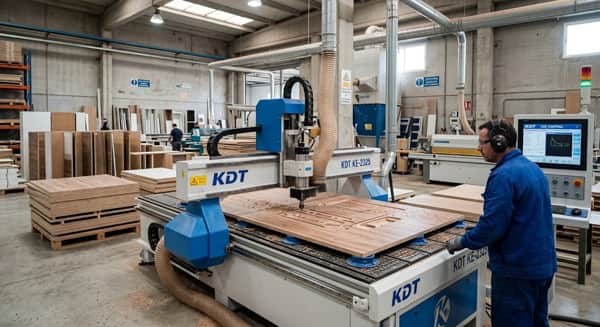
The CNC machining centres for wood and furniture represent one of the most significant leaps in the modernisation of a furniture factory. They are machines capable of milling, drilling, grooving and cutting in a single cycle, controlled by CAD/CAM programmes that guarantee perfect repeatability on every workpiece.
This translates into fewer errors, less set-up time and a production capacity far superior to that of conventional equipment.
Within machining centres, it is worth distinguishing between two main configurations: centres with aluminium bars and the Nesting process centres.
The choice between one system or another depends on your production mix, the type of furniture you manufacture and the level of automation you want to achieve.
At KDT Ibérica we can help you analyse your specific case and recommend the configuration that best suits your facility.
Centres with aluminium bars
They work with the workpiece supported on bars and held by suction cups. They are the usual option when working with pieces of different sizes in short or medium runs, as they allow agile configuration changes.
They are particularly efficient in the manufacture of doors, kitchen fronts and elements with complex machining on multiple faces.
Nesting Centres
They work directly on the complete board: the machine nests the pieces on the panel and machines and cuts them in a single process. This eliminates a prior cutting stage and reduces material handling.
They are the most efficient solution when working with kitchens, wardrobes and bespoke furniture in high volumes, especially when combined with automatic loading and unloading systems.
Once the pieces are cut, the next step in most furniture production lines is edge banding.
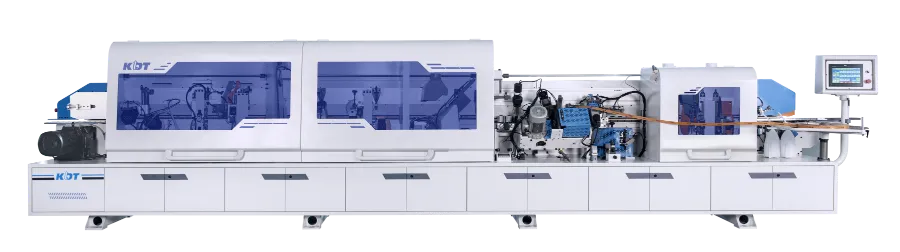
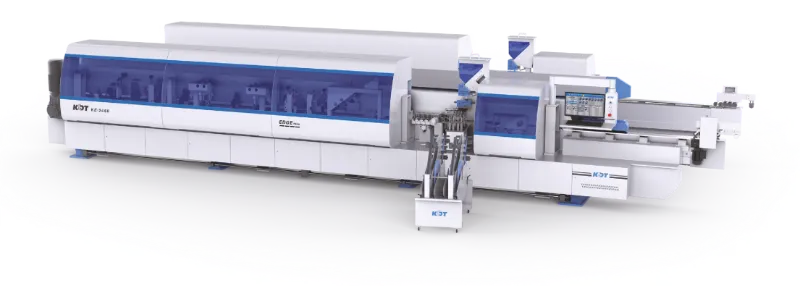
The KDT edge banding machines apply the edge precisely and uniformly, protecting the board edge and giving the furniture that professional finish that makes the difference in the final product.
- Edge banding machines are not all the same, and choosing the right model can have a direct impact on finish quality and production rate. These are the three main types:
- Single-sided edge banding machines. They are the most common in medium-sized furniture factories. They band one edge per pass, which makes them versatile and suitable for varied production runs. The most advanced models incorporate in-line milling, scraping and polishing units, so that the workpiece comes out finished after a single pass.
- Double edge banding machines. Designed for high-production lines, they apply edging to two opposite edges of the workpiece simultaneously. This halves the edge banding time on rectangular pieces, which make up the majority of kitchen furniture, wardrobes and bathroom furniture.
- Curved edge banding machines. Specialised in workpieces with irregular geometry, such as curved fronts or design elements. They are less common in standard production, but essential if your catalogue includes designer furniture or organic pieces.
When choosing, in addition to the type, it is worth considering the feed speed, compatibility with different edge banding materials (PVC, ABS, wood, melamine) and the gluing technology. Laser systems and hot-air glueless systems offerhigher-quality finishes and lower maintenance than conventional glue systems.
Edge banding machines: types and purchasing criteria
Boring is one of the most repetitive operations in furniture manufacturing: hinges, connectors, dowels, drawer slides… Each piece of furniture requires dozens of holes that must be exactly where they should be. A positioning error in boring creates assembly problems that carry through to the final product.
In industrial furniture production three main types of boring machines are used:
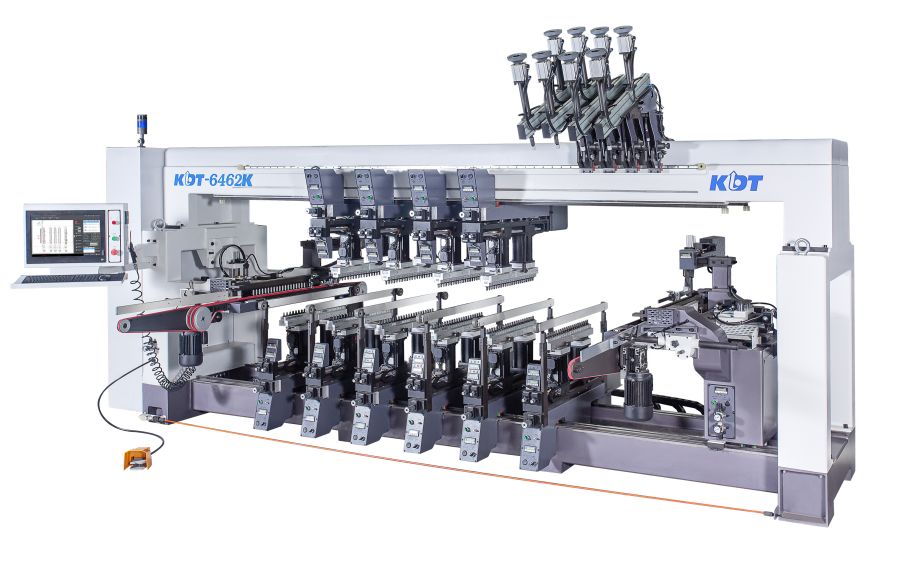
- Multi-spindle boring machines. They allow several holes to be drilled simultaneously, following a predefined pattern. They are ideal for high-volume repetitive operations, such as drilling boards for shelving systems or preparing wardrobe side panels. They significantly reduce time per piece and guarantee a repeatability that manual drills cannot match.
- CNC boring machines. They combine the precision of numerical control with the flexibility to programme different drilling patterns. They are the right solution when working with short runs, varied products or designs that change frequently. They also allow drilling to be integrated into digital workflows, receiving data directly from design software.
- Dowel drilling and inserting machines. Specifically designed for inserting wooden or plastic dowels into component joints. They are common in kitchen and bathroom furniture manufacturing, where dowel assembly is the standard. Their precision directly determines the strength of the finished furniture.
Boring machines for furniture manufacturing
The surface finish is what the customer sees and touches. No matter how perfect the cutting and machining are, an uneven surface or one with visible marks undermines the perceived quality of the furniture. Industrial sanding machines are responsible for ensuring that each piece reaches the lacquering, varnishing or packaging process in the right condition.
In furniture production, several types of sanding machines are used depending on the stage and type of surface:
Pad sanders
These are the most versatile for sanding flat surfaces of panels and batch-produced components. The pressure pad ensures uniform sanding across the entire surface, eliminating undulations and machining marks. They are the workhorse of many furniture production lines.
Brush sanders
Ideal for profiles, mouldings and surfaces with relief. The brushes adapt to the geometry of the workpiece, reaching areas where a flat sander cannot work. They are common in the manufacture of profiled kitchen fronts or solid wood doors.
Edge sanding machines
They specialise in finishing the edges of components, both those already veneered and those made of solid wood. They complement the work of edge banding machines and allow minor imperfections to be corrected before lacquering.
Sanding machines and finishes: the final step before delivery
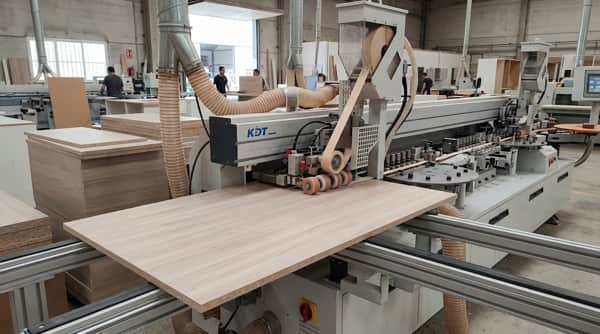
Selecting the right machinery for furniture is a strategic decision that influences the quality of the final product, production efficiency and return on investment. To make the best decision, several factors should be evaluated:
Volume of production
The level of automation must match the workload. A craft workshop can operate with versatile, manually operated equipment, whilst an industrial line requires automatic machines capable of continuous operation.
2. Type of material and design
Not all machines perform equally with different materials. Wood hardness, MDF thickness or coating type influence the choice, as do the designs to be produced: straight, curved or with complex details.
3. Space and installation conditions
Some machines require ample space, dust extraction systems or specific electrical installations. Assessing available space avoids subsequent operational problems.
4. Budget and cost of maintenance
Beyond the purchase price, consumables, spare parts and technical service availability must be considered. An economical machine with costly maintenance may prove less profitable in the long term.
5. Growth projection
Investing in machinery of any kind that can be adapted to future increases in production or new types of furniture can save the need for replacement in a few years.
How to choose wood furniture machinery
New vs. second-hand machinery: which is more worthwhile?
One of the questions furniture manufacturers most frequently ask us when planning an equipment investment is whether it's more worthwhile to buy new machinery or opt for second-hand equipment. The answer depends on each company's context, but there are factors worth clarifying before deciding.
At KDT Ibérica we work exclusively with new machinery, which enables us to offer full warranty, technical support from installation and the peace of mind of knowing the equipment works exactly as it should from day one.
New machinery
- Manufacturer's warranty and access to original spare parts throughout the equipment's service life.
- Up-to-date technology: greater energy efficiency, connectivity and compatibility with production management software.
- Specialist after-sales technical service available from day one, with known response times.
- Financing and payment terms tailored to the project.
- Possibility to customise the configuration before delivery according to plant requirements.
Second-hand machinery
- Lower acquisition price, which can facilitate access to higher-capacity equipment with lower initial investment.
- Immediate availability in some cases, without the lead times of a new machine.
- Risk of wear not visible during pre-purchase inspection.
- Possible difficulties in finding spare parts for discontinued models.
- Limited or non-existent warranty, which transfers the risk to the buyer.
Investing in quality furniture machinery is not just a matter of convenience, but a strategy to improve competitiveness and ensure a superior end product. Among the most outstanding benefits of the machines in our catalogue are the following:
- Greater precision and consistency in finishes: high-performance machines enable precise cutting, boring and sanding, resulting in more uniform furniture with a professional finish, reducing human error and defective parts.
- Reduction of material waste: precision in cutting and assembly helps to make the most of each panel or piece of wood, minimising waste and contributing to more sustainable and profitable production.
- Saving time and increasing productivity: the use of efficient equipment reduces the time required for each process, making it possible to increase production volume without sacrificing quality, and even reduce labour requirements.
- Possibility to offer personalised and high quality products: with modern machinery, such as CNC routers, it is possible to create unique designs, work with different materials and offer special finishes that differentiate your offering from the competition.
- Less physical wear and tear on staff: state-of-the-art machines reduce manual effort and repetitive tasks, improving ergonomics and workplace safety, which contributes to the wellbeing of the workforce.
- Increased durability and operational reliability: investments in equipment from recognised brands typically offer a longer lifecycle, fewer breakdowns and better technical support, resulting in fewer production interruptions.
Benefits of investing in good machinery for a furniture factory
There are many companies that sell furniture machinery. What sets KDT Ibérica apart is the way we support each project: from the initial analysis of your production process to the commissioning of the equipment and technical support throughout the machine's entire service life.
Showrooms with machines in actual operation. Before making an investment decision, you can see the machinery working at our facilities. For a purchase of this magnitude, that possibility makes a real difference.
Customised adaptation of each project. We don't sell standard catalogue machines to everyone in the same way. We analyse your product mix, your production volume, the available space in your facility and your growth objectives, and we recommend the configuration that truly makes sense for your company. In many cases, this involves adjusting parameters, combining equipment or designing a solution you wouldn't find with any other supplier.
Specialised KDT After-Sales & Technical Service in Spain, Portugal and Morocco. We have our own technicians who know each machine we sell in depth. This translates into short response times, accurate diagnostics and repairs that don't unnecessarily prolong production downtime. After-sales service is not an add-on: it's part of what you acquire when you buy from KDT Ibérica.
Local presence in three markets. We operate in Spain, Portugal and Morocco with local teams, enabling us to provide close support without relying on intermediaries or long response times from abroad.
Why choose KDT Ibérica for your furniture factory
Frequently asked questions about furniture machinery
What machinery is essential to start a furniture workshop?
It is generally recommended to have a cut-off saw, a sander, a drill or drill press and assembly tools. With this basic equipment it is possible to make simple furniture with a quality finish.
What is the difference between a manual and a CNC milling machine?
The manual milling machine requires direct operator intervention to guide the tool, while the CNC is computer-controlled, allowing complex cuts to be automated and identical parts to be produced in series.
What maintenance is required for furniture machinery?
It depends on the type of machine, but usually includes periodic cleaning, lubrication of moving parts, checking of blades or saws and calibration to maintain accuracy.
Is it better to buy new or second-hand machinery?
New machinery offers warranties and up-to-date technology, but can be more expensive. Second-hand machinery is cheaper, although it is essential to check its condition, history of use and availability of spare parts.
What factors influence the price of furniture machinery?
The type of technology, brand, production capacity, working precision and manufacturing materials are the main cost drivers.
Where to buy quality furniture machinery?
There are specialised dealers, trade fairs and online platforms dedicated to the sale of woodworking and furniture making equipment. It is advisable to compare prices, warranties and technical support before deciding.
How long does installation and commissioning of a new machine take?
Lead times vary depending on the type of equipment and the complexity of the installation. At KDT Ibérica we coordinate delivery, installation and initial staff training in an integrated manner, so that the time between receiving the equipment and effective production is kept to a minimum.
Can I see the machines running before I buy?
Yes. In our showrooms you can see the equipment working under real conditions, with your own materials if you wish. It's the best way to make an investment decision with all the information on the table.
If you're equipping a new plant or want to modernise your current production line, we're here to help you find the most suitable solution for your business. Request your personalised quote or browse our complete catalogue and tell us what you need: we work with you to ensure that every machine you install in your factory is an investment with real return.
 Spanish
 Portuguese
 English